Medical
Gut Health After Antibiotics: How to Recover
Learn how antibiotics affect your gut microbiome, realistic recovery timelines, what the research says about probiotics, and diet strategies that help.
Health conditions, treatments, wellness, nutrition, and medical technology.
20 articles
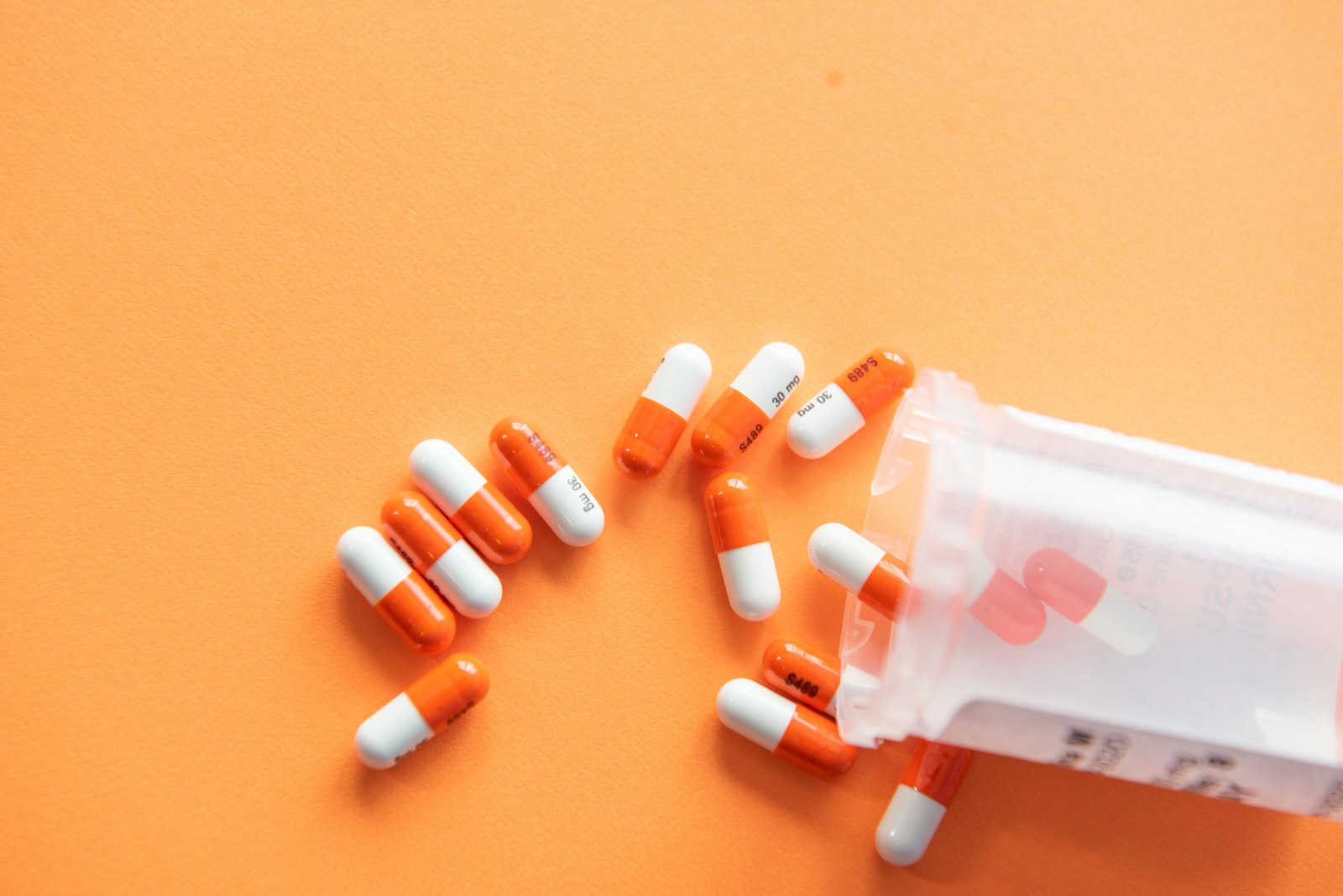
Learn how antibiotics affect your gut microbiome, realistic recovery timelines, what the research says about probiotics, and diet strategies that help.
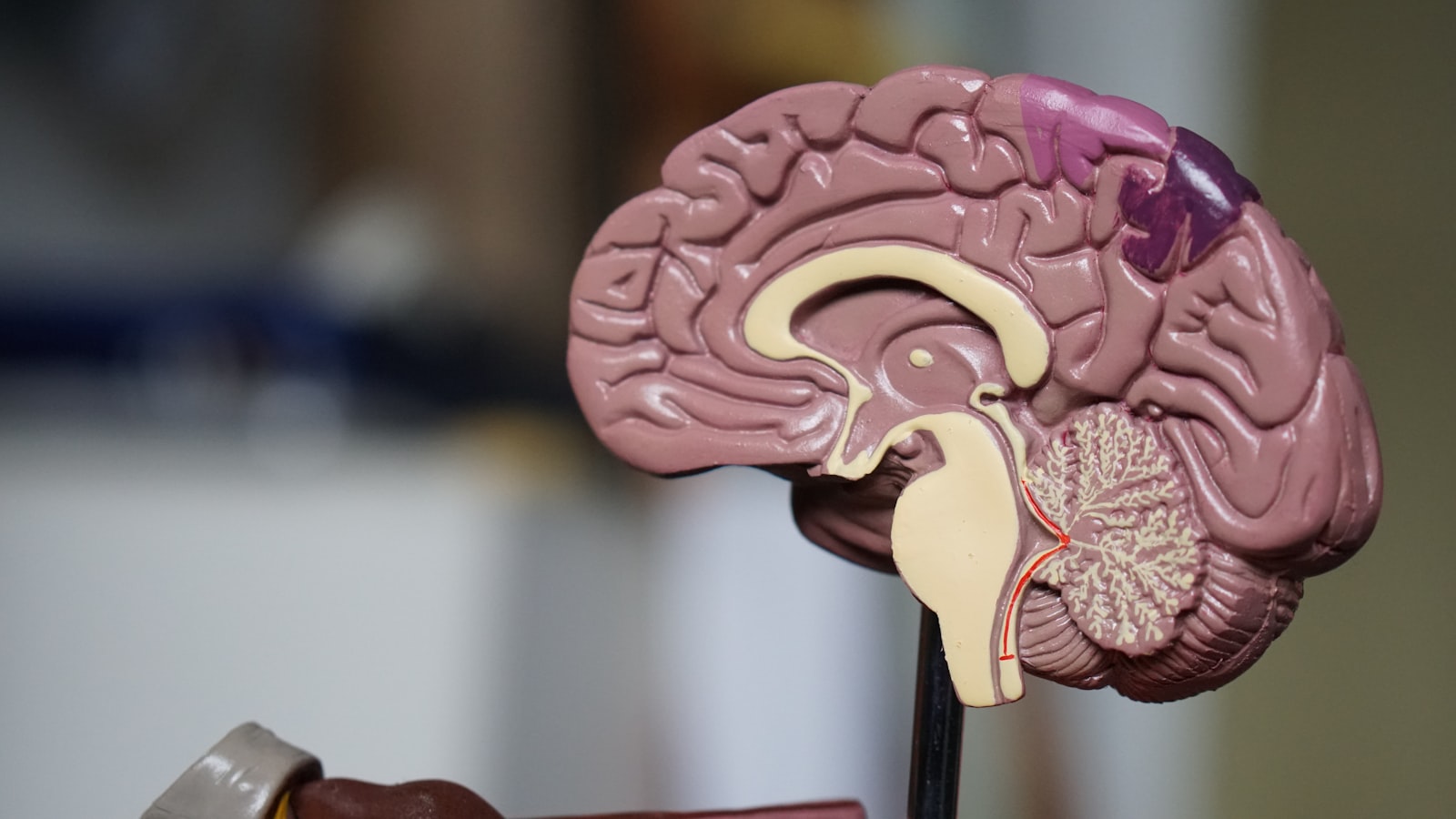
Explore the gut-brain connection: how the vagus nerve, gut bacteria, and serotonin link digestion to mood, plus what the research does and doesn't prove.

Discover how fermented foods support gut health, which store products contain live cultures, what the Stanford study found, and how to start safely.

Understand the difference between probiotics and prebiotics, how each supports gut health, the best food sources, and whether supplements are worth it.
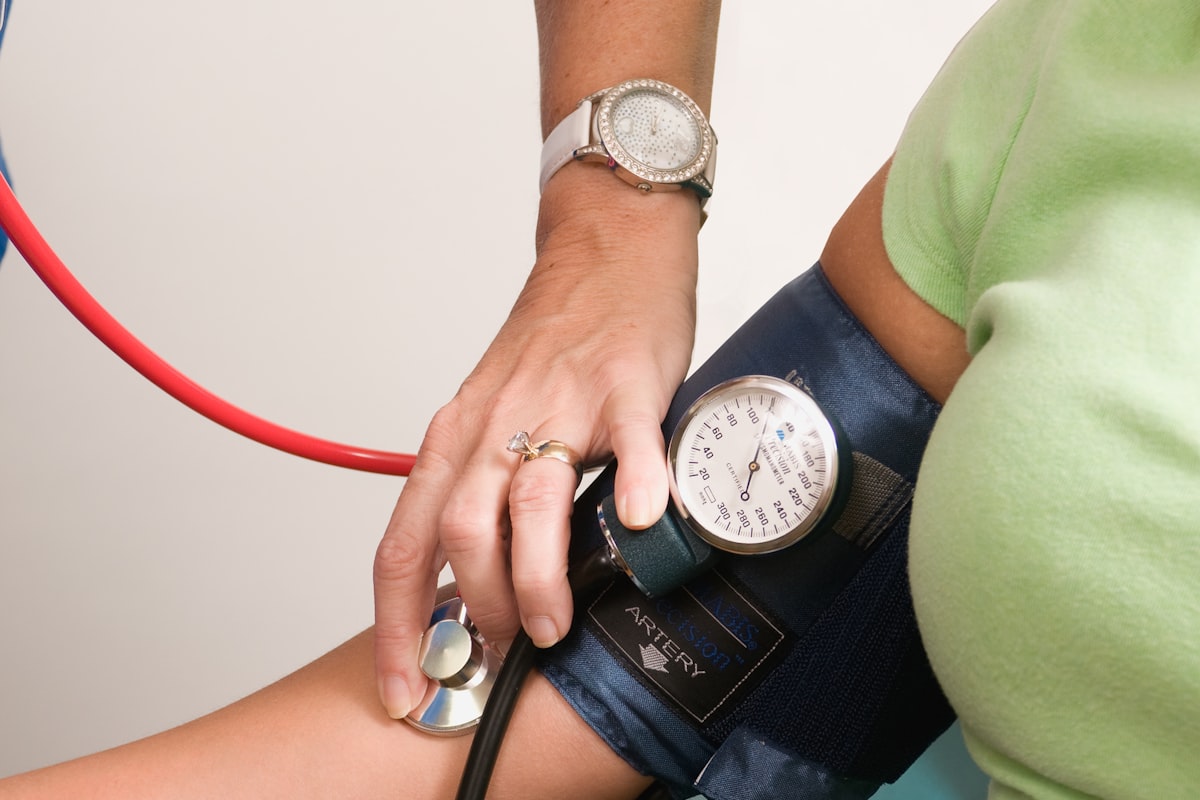
Understand your blood pressure numbers, the 2017 ACC/AHA categories, how to measure correctly at home, and proven lifestyle changes that lower high readings.

Sleep deprivation damages your brain, immune system, heart, and hormones in measurable ways. Discover the real consequences and how to recover.
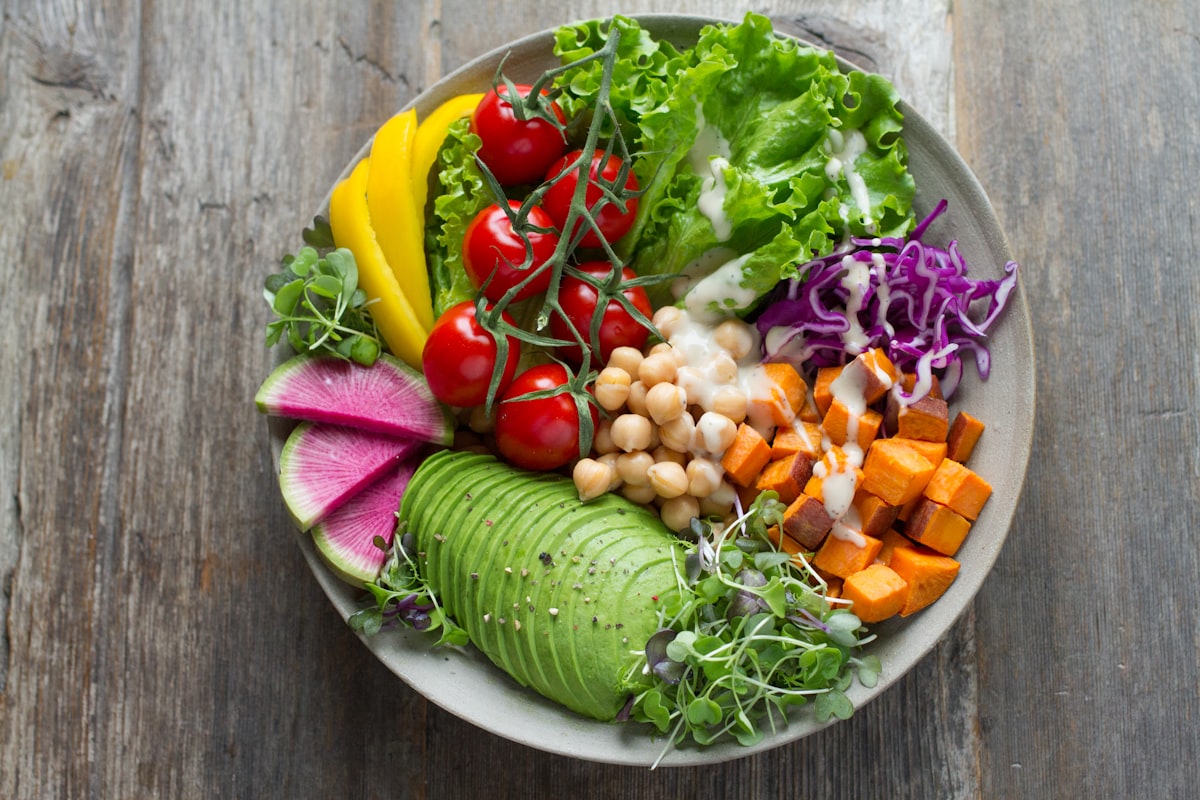
Learn what the gut microbiome is, how it shapes your health from digestion to mood and immunity, and evidence-based strategies to restore balance.
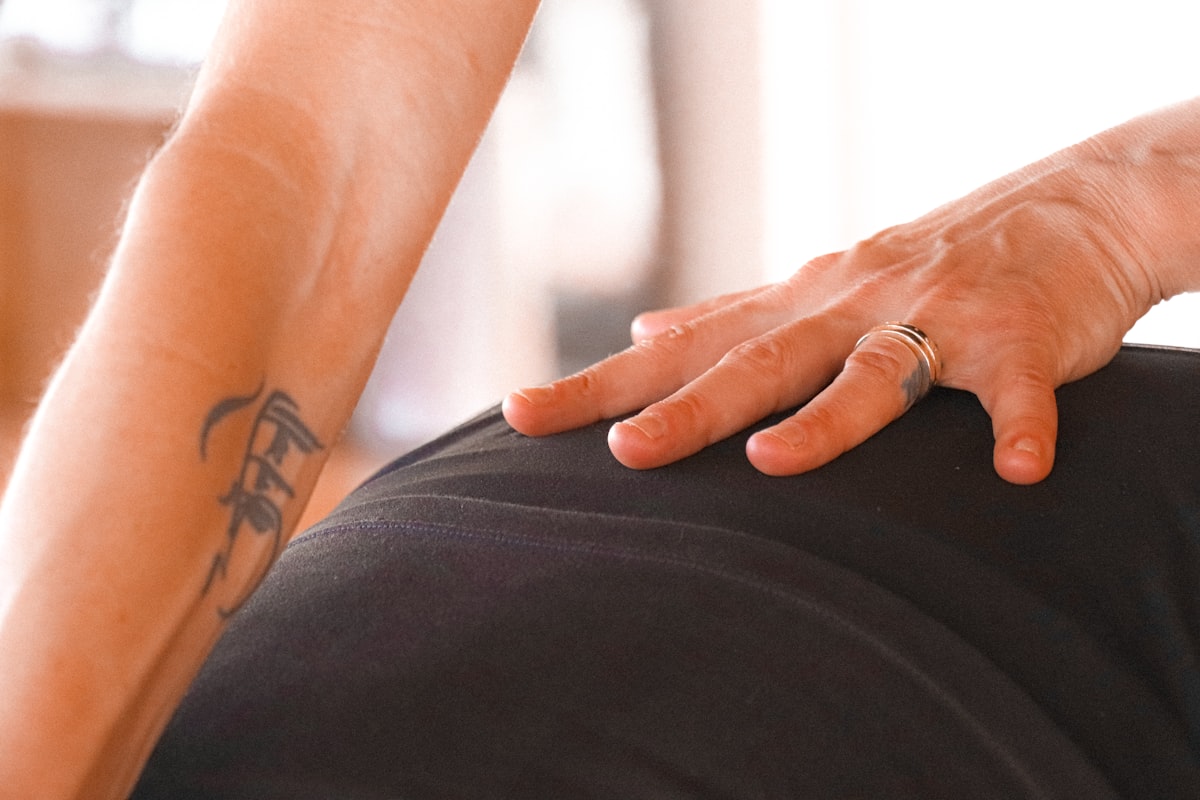
An evidence-based guide to lower back pain covering common causes, red flag warning signs, and the treatments that actually work for recovery.

Recognize vitamin D deficiency symptoms, understand who is most at risk, and learn safe supplementation dosages and strategies backed by research.

Learn where normal worry ends and clinical anxiety begins. Recognize GAD symptoms and find evidence-based treatment strategies and resources.
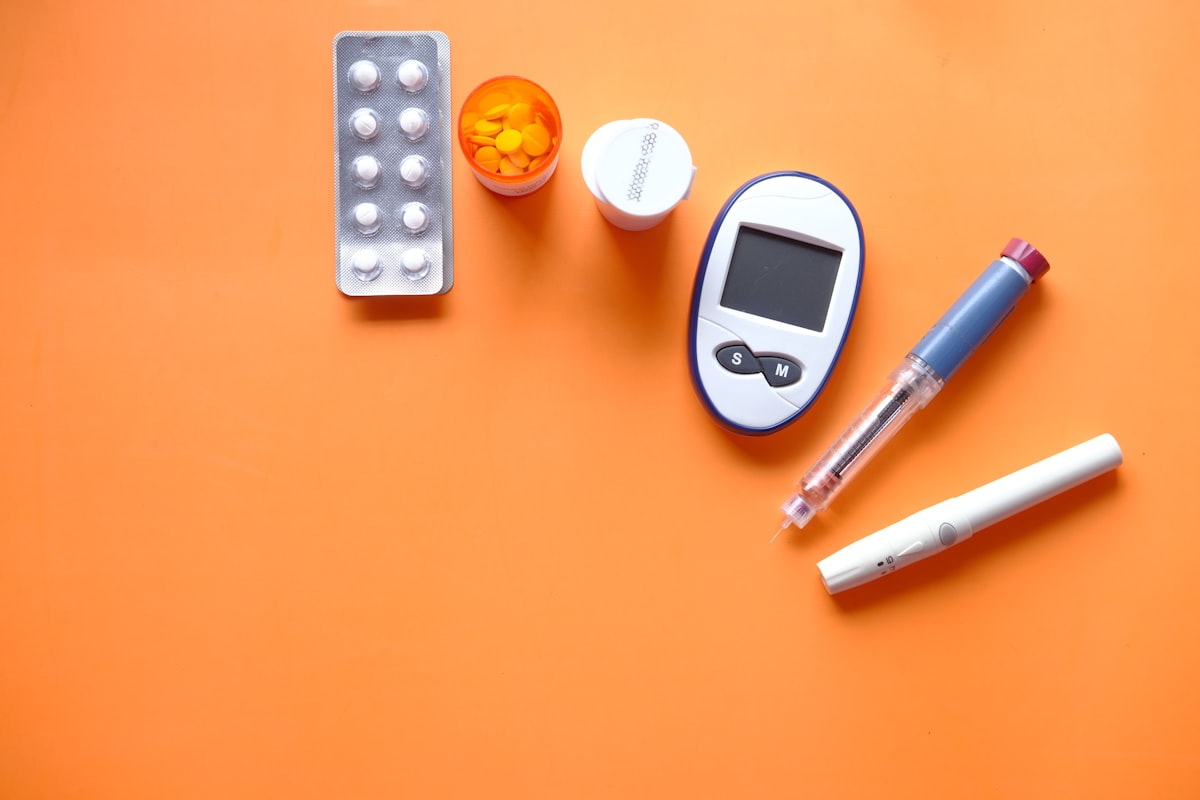
Recognize the early warning signs of type 2 diabetes and learn evidence-based strategies to reduce your risk through diet, exercise, and lifestyle changes.

Understand your cholesterol numbers — LDL, HDL, triglycerides, and total cholesterol — and learn what actually drives heart disease risk.