In 1964, a 17-year-old named Randy Gardner stayed awake for 11 days and 25 minutes as a science fair experiment. By day four, he was hallucinating. By day six, he couldn’t form short-term memories. By day nine, he couldn’t finish a sentence. What Gardner demonstrated in extreme form is something millions of adults experience in a slower, more insidious way every single week: the compounding damage of insufficient sleep.
About one in three American adults regularly sleeps fewer than seven hours per night, according to CDC surveillance data. That’s not a minor lifestyle inconvenience. It’s a physiological crisis playing out across nearly every organ system in the body.
Key Takeaways
- Sleeping fewer than 7 hours per night consistently raises your risk of heart disease, diabetes, obesity, and depression
- Even one night of poor sleep measurably impairs cognitive function, reaction time, and emotional regulation
- Chronic sleep deprivation disrupts hunger hormones, making weight gain almost inevitable for many people
- Sleep debt is real, but you can’t “make it up” with a single weekend of oversleeping — recovery takes sustained effort
- Poor sleep is directly linked to elevated blood pressure, independent of other risk factors
Your Brain on No Sleep: Cognitive and Neurological Effects
The first thing to go is your thinking. Not dramatically — you don’t suddenly become incapable — but the decline is measurable and starts fast.
After just 17-19 hours without sleep, cognitive performance drops to the equivalent of a blood alcohol concentration of 0.05%. Push that to 24 hours and you’re functioning at the equivalent of 0.10% — legally drunk in every U.S. state. A 2000 study published in Occupational and Environmental Medicine by Williamson and Feyer established this comparison, and it remains one of the most cited findings in sleep research.
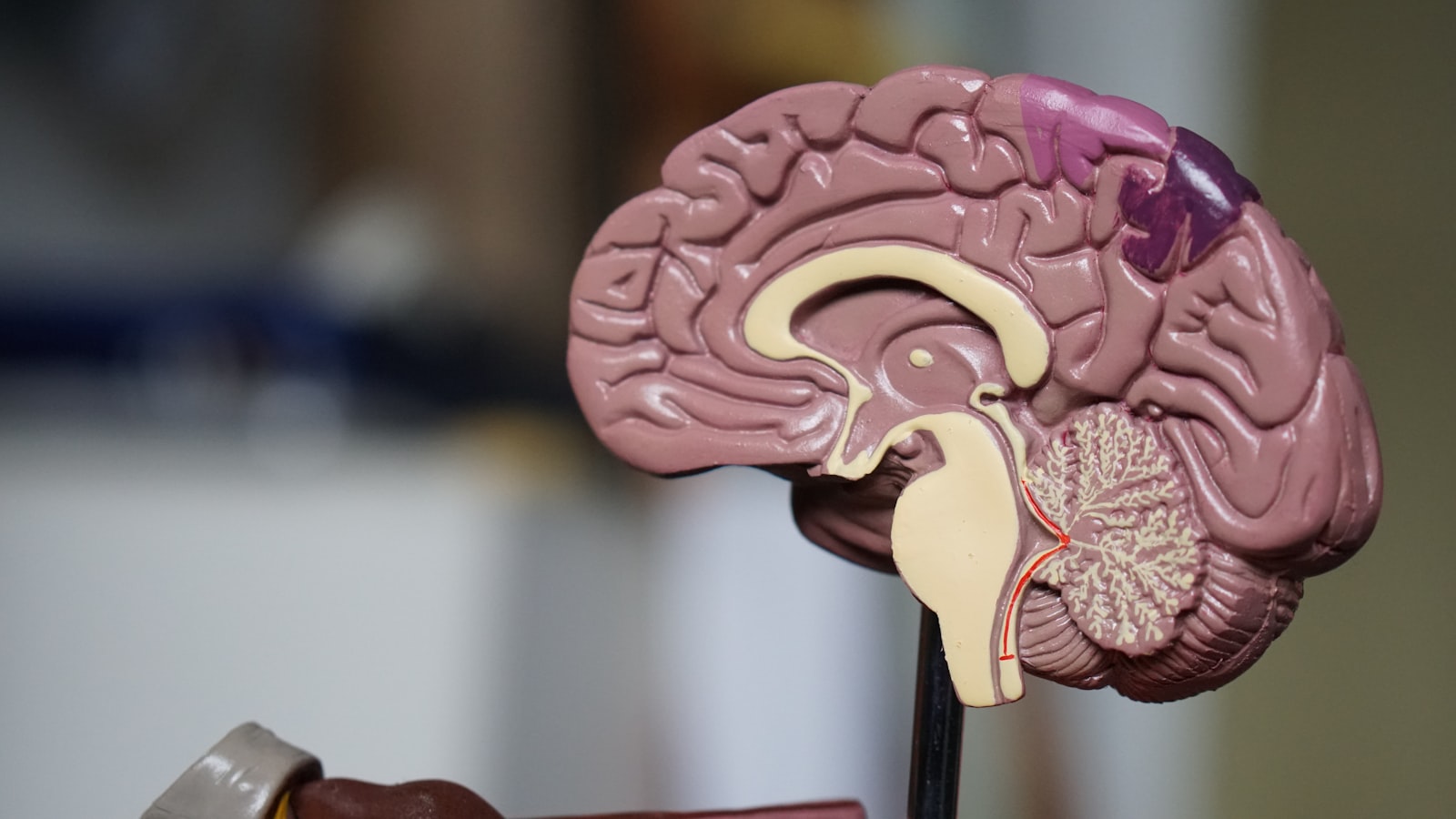
What specifically degrades? Working memory takes a significant hit. Your prefrontal cortex — the part responsible for decision-making, impulse control, and complex reasoning — essentially throttles down. A 2007 Harvard Medical School review found that sleep-deprived individuals show reduced activity in this region on fMRI scans, while the amygdala (your emotional reactivity center) becomes hyperactive. You become simultaneously dumber and more emotionally volatile. Not a great combination.
Microsleeps and the Danger You Don’t Notice
Here’s what most guides miss about sleep deprivation: you don’t always know it’s happening. Microsleeps are brief, involuntary episodes of sleep lasting 1-15 seconds. Your eyes may stay open. You might be mid-conversation or, terrifyingly, mid-drive. The AAA Foundation for Traffic Safety estimates drowsy driving causes roughly 328,000 crashes annually in the United States, with about 6,400 of those being fatal.
The insidious part is that chronically sleep-deprived people consistently overestimate their own alertness. A landmark University of Pennsylvania study by Van Dongen et al. (2003) found that subjects limited to six hours of sleep per night for two weeks performed as poorly as people who had been awake for 48 hours straight — but rated themselves as only slightly sleepy. Your brain loses the ability to accurately gauge its own impairment.
Immune System Breakdown: Why You Get Sick More Often
Sleep is when your immune system does its heaviest maintenance work. During deep sleep stages, your body ramps up production of cytokines — proteins that target infection and inflammation. Cut that process short, and the consequences show up quickly.
A study from the University of California, San Francisco (Prather et al., 2015) tracked 164 adults and exposed them to rhinovirus — the common cold. Those sleeping fewer than six hours per night were 4.2 times more likely to develop a cold than those sleeping seven or more hours. Not marginally more likely. Four times.
Vaccine efficacy drops too. Research published in Sleep (2012) showed that people who slept fewer than six hours the week surrounding a flu vaccination produced less than half the antibody response compared to well-rested individuals. If you’re getting your annual flu shot while running on five hours a night, you’re quite literally getting less protection from the same needle.
Long-term, chronic short sleep is associated with increased inflammatory markers like C-reactive protein and interleukin-6, both of which contribute to chronic disease states including cardiovascular disease and certain cancers.
Sleep and Your Heart: The Cardiovascular Connection
The relationship between sleep deprivation and cardiovascular disease is one of the most robust findings in modern epidemiology. A meta-analysis published in the European Heart Journal (2011) pooled data from nearly 475,000 participants and found that short sleepers had a 48% increased risk of developing or dying from coronary heart disease and a 15% greater risk of stroke.
Poor sleep raises blood pressure through several mechanisms. During normal sleep, your blood pressure dips by 10-20% — a phenomenon called “nocturnal dipping” that gives your cardiovascular system a nightly break. Skip that dipping period, and you’re subjecting your arteries and heart to sustained higher pressure around the clock.
Sympathetic nervous system activity also stays elevated when you’re sleep-deprived. Your body is essentially stuck in a low-grade fight-or-flight state: higher heart rate, higher cortisol, higher blood pressure. Over months and years, this accelerates atherosclerosis and increases the probability of cardiac events.
The Daylight Saving Time Natural Experiment
One of the most striking demonstrations comes from daylight saving time research. The Monday after the spring “lose an hour” transition, hospital admissions for heart attacks spike by roughly 24%, according to a 2014 analysis in Open Heart. Gaining an hour in the fall sees a 21% drop. One hour. That’s all it takes to shift population-level cardiac risk.
Hormonal Disruption: Weight Gain, Hunger, and Metabolic Chaos
If you’ve ever noticed that you crave junk food after a bad night’s sleep, there’s a precise hormonal explanation. Sleep deprivation decreases leptin (the hormone that signals fullness) and increases ghrelin (the hormone that signals hunger). A study by Spiegel et al. (2004) in the Annals of Internal Medicine found that restricting participants to four hours of sleep for two nights produced an 18% reduction in leptin and a 28% increase in ghrelin. Subjects didn’t just feel hungrier — they specifically craved high-carbohydrate, calorie-dense foods. Cookies over carrots, every time.
This isn’t a willpower failure. It’s biochemistry working against you.
Insulin sensitivity also deteriorates rapidly. Just four days of restricted sleep can reduce insulin sensitivity by 30%, pushing the body toward a pre-diabetic metabolic state. A large-scale Nurses’ Health Study analysis found that women sleeping five hours or fewer per night had a significantly higher risk of developing type 2 diabetes compared to those sleeping seven to eight hours, even after adjusting for BMI and other factors.
Cortisol, the stress hormone, follows its own problematic pattern during sleep deprivation. Normally, cortisol peaks in the morning and drops at night. Sleep loss flattens this curve, keeping cortisol elevated during evening hours. Chronically elevated cortisol promotes visceral fat accumulation — the deep abdominal fat most strongly associated with metabolic syndrome and cardiovascular disease.
Mental Health: Depression, Anxiety, and Emotional Fragility
The relationship between sleep and mental health runs in both directions, and that’s what makes it so difficult to untangle clinically. Poor sleep worsens depression and anxiety. Depression and anxiety worsen sleep. Breaking this cycle often requires addressing both simultaneously.
The numbers are stark. A meta-analysis in Sleep Medicine Reviews (2010) found that people with insomnia have a twofold risk of developing depression compared to those without sleep difficulties. Among people already diagnosed with major depressive disorder, roughly 90% report sleep disturbances.
But you don’t need a clinical diagnosis to feel the effects. Even modest sleep restriction — getting six hours instead of eight — produces measurable increases in irritability, sadness, and emotional reactivity within days. The previously mentioned amygdala hyperactivation means that neutral stimuli start registering as negative. Your coworker’s offhand comment becomes an insult. A traffic jam becomes a personal crisis.
If you’re dealing with persistent anxiety that escalates after poor sleep, recognizing the sleep connection can be the first step toward addressing both problems.
Sleep and Suicidal Ideation
This connection deserves its own mention. Research consistently links insomnia and sleep disturbances to increased suicidal ideation, independent of depression. A 2012 study in Journal of Clinical Sleep Medicine found that insomnia severity was a significant predictor of suicidal thoughts even after controlling for depressive symptoms, hopelessness, and alcohol use. If you or someone you know is struggling, the 988 Suicide & Crisis Lifeline is available 24/7 by calling or texting 988.
What Happens During Different Sleep Stages (And Why Each Matters)
Sleep isn’t uniform. It cycles through distinct stages, each serving different functions, and deprivation doesn’t shortchange all stages equally.
NREM Stage 3 (Deep Sleep) is where physical restoration happens most aggressively. Growth hormone is released, tissues repair, and the immune system gets its recharge. Deep sleep predominates in the first half of the night, which is why going to bed late but sleeping the same total hours still leaves you feeling worse — you’ve compressed the window for deep sleep.
REM Sleep dominates the last third of the night. This is where emotional processing and memory consolidation occur. REM deprivation specifically impairs creative problem-solving and the ability to read social cues accurately. It’s also when the brain’s glymphatic system is most active, clearing metabolic waste products including beta-amyloid — the protein implicated in Alzheimer’s disease. A 2019 study in Science demonstrated that even a single night of sleep deprivation increased beta-amyloid accumulation in the human brain.
Cutting your night short from both ends — going to bed late and waking up early — hits both critical phases.
How Much Sleep Do You Actually Need?
The American Academy of Sleep Medicine and Sleep Research Society jointly recommend 7 or more hours per night for adults aged 18-60. The National Sleep Foundation puts the ideal range at 7-9 hours for adults, acknowledging individual variation.
Here’s the uncomfortable truth: very few people genuinely function well on fewer than seven hours. The percentage of the population carrying a genetic short-sleep variant (mutations in genes like DEC2/BHLHE41) is estimated at less than 1%. If you believe you’re thriving on five hours, you’re almost certainly adapted to impairment rather than genuinely unaffected by it.
Older adults (65+) may need slightly less — 7-8 hours — though sleep architecture changes with age, making consolidated sleep more difficult regardless of need.
Practical Strategies That Actually Improve Sleep
Skip the lavender pillow spray advice. Here’s what the evidence actually supports.
Consistent timing matters more than duration. Going to bed and waking at the same time every day — including weekends — stabilizes your circadian rhythm more effectively than any supplement. A 2019 study in Scientific Reports found that irregular sleep timing was associated with poorer academic performance, worse mood, and delayed sleep onset even when total sleep hours were similar.
Light exposure is the most powerful circadian signal. Get bright light (ideally sunlight) within 30-60 minutes of waking. In the evening, reduce blue light exposure starting 2-3 hours before bed. Not because blue light is uniquely toxic, but because it suppresses melatonin secretion more potently than other wavelengths.
Temperature regulation is underrated. Your core body temperature needs to drop by about 1-2°F to initiate sleep. A bedroom temperature of 65-68°F (18-20°C) facilitates this. A warm bath or shower 1-2 hours before bed paradoxically helps by causing peripheral vasodilation and subsequent core cooling.
Caffeine has a longer half-life than most people realize. Caffeine’s half-life averages 5-6 hours, meaning that a coffee at 2 PM still has half its caffeine active at 8 PM. Some individuals metabolize it faster or slower depending on CYP1A2 gene variants, but the general rule of cutting off caffeine by early afternoon is well-supported.
Cognitive behavioral therapy for insomnia (CBT-I) outperforms medication. The American College of Physicians recommends CBT-I as the first-line treatment for chronic insomnia, ahead of any drug. It works by restructuring sleep-related thoughts and behaviors, and its effects persist long after treatment ends — unlike sleep medications, which stop working when you stop taking them.
When to See a Doctor
Not all sleep problems are lifestyle issues. See a healthcare provider if:
- You consistently can’t fall asleep within 30 minutes despite good sleep habits
- You wake frequently during the night and can’t return to sleep
- You snore loudly, gasp, or stop breathing during sleep (potential obstructive sleep apnea — affects an estimated 25 million American adults)
- You experience excessive daytime sleepiness that interferes with daily function despite adequate time in bed
- You have restless, uncomfortable sensations in your legs that worsen at night
- Sleep problems persist for more than three months
Sleep apnea, in particular, is dramatically underdiagnosed. An estimated 80% of moderate-to-severe cases remain unidentified. Untreated sleep apnea independently increases the risk of hypertension, stroke, heart failure, and motor vehicle accidents.
Frequently Asked Questions
Can you catch up on sleep debt over the weekend?
Partially, but not fully. A 2019 study in Current Biology found that weekend recovery sleep did not reverse the metabolic dysregulation caused by a workweek of insufficient sleep. Participants who tried to “catch up” still showed impaired insulin sensitivity. Consistent nightly sleep is far more effective than binge-recovery cycles.
Does alcohol help you sleep?
Alcohol is a sedative, so it can help you fall asleep faster. But it fragments sleep architecture, suppresses REM sleep, and worsens sleep apnea. By the second half of the night, as alcohol metabolizes, you’re more likely to wake up. The net effect is worse sleep quality, even if total time in bed looks adequate.
Are naps good or bad for you?
Short naps (10-20 minutes) can temporarily improve alertness and performance without interfering with nighttime sleep for most people. Naps longer than 30 minutes risk sleep inertia (grogginess upon waking) and can reduce sleep drive at night, making insomnia worse. If you have chronic insomnia, most sleep specialists recommend avoiding naps entirely.
How does shift work affect sleep and health?
Shift work fundamentally disrupts circadian rhythm. Long-term rotating or night shift workers face elevated risks of cardiovascular disease, metabolic disorders, certain cancers (particularly breast cancer, as recognized by the International Agency for Research on Cancer), and mental health conditions. Strategies like strategic light exposure, melatonin timing, and maintaining consistent schedules on work days can help, but they don’t fully eliminate the health burden.
Is melatonin safe and effective for insomnia?
Melatonin is most effective for circadian rhythm disorders — jet lag, delayed sleep phase, shift work — rather than general insomnia. It helps shift the timing of sleep more than it increases sleep depth or duration. Doses of 0.5-3 mg taken 1-2 hours before desired bedtime are generally considered safe for short-term use. However, melatonin supplements are not regulated by the FDA with the rigor of pharmaceuticals, and independent testing has found significant variation between labeled and actual doses.