Antibiotics are among the most important medical advances in human history, saving countless lives from infections that were once deadly. But they are not precision weapons. When you take an antibiotic to kill a harmful bacterium, it also wipes out large swaths of the beneficial bacteria living in your gut. Rebuilding gut health after antibiotics is a real and worthwhile goal — as long as you approach it sensibly, and never at the expense of the treatment your doctor prescribed.
This guide explains what antibiotics do to your microbiome, how long recovery realistically takes, what the evidence says about probiotics during and after treatment, and which warning signs mean you should call a doctor right away.
Key Takeaways
- Antibiotics reduce gut bacterial diversity and can shift the microbiome for weeks to months, sometimes longer
- Recovery timelines vary widely between individuals; most bounce back substantially within weeks, but some species may not fully return
- Never skip, stop early, or space out prescribed antibiotics to “protect” your gut — finish the course as directed by your doctor
- Evidence on probiotics is mixed, and a 2018 study found they may actually delay natural microbiome recovery
- Fiber-rich foods and fermented foods support rebuilding, and certain symptoms like severe diarrhea require urgent medical attention
What Antibiotics Do to Your Microbiome
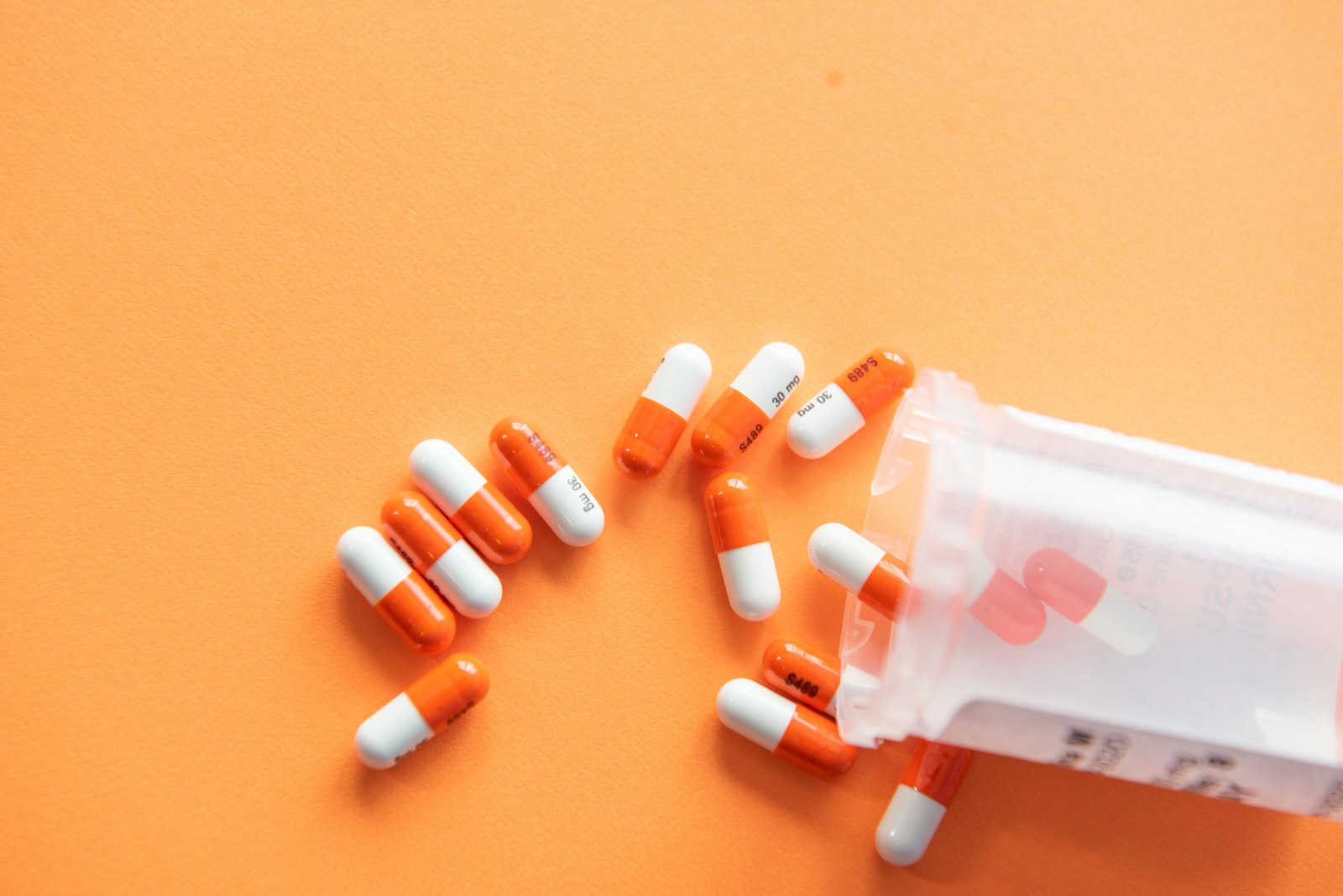
Antibiotics work by killing bacteria or stopping them from multiplying. The problem is that most common antibiotics are “broad-spectrum,” meaning they cannot tell the difference between the harmful bacteria causing your infection and the friendly ones running your digestion and immune defenses.
The most immediate casualty is diversity — the number of different bacterial species in your gut, which is a key marker of gut health described in our complete gut microbiome guide. A single course of broad-spectrum antibiotics can sharply reduce this diversity, and studies have documented that some individual species can take months to reappear.
This disruption is called dysbiosis, an imbalanced microbial community. With fewer beneficial bacteria competing for space and resources, opportunistic or harmful organisms can gain a foothold. That is why side effects like diarrhea, bloating, and yeast overgrowth are so common during and after treatment.
According to research summarized by the National Institutes of Health, the collateral damage from antibiotics is one reason overuse is discouraged. That is a case for avoiding unnecessary prescriptions — not for questioning ones you genuinely need.
Never Stop or Skip a Prescribed Antibiotic
This point is important enough to stand on its own. Nothing in this article is a reason to alter how you take an antibiotic your doctor prescribed.
Do not stop early because you feel better. Do not skip doses to “give your gut a break.” Do not stretch the interval between pills. Stopping an antibiotic course prematurely can leave the strongest bacteria alive, allowing the infection to rebound and contributing to antibiotic resistance — a serious public health threat highlighted by the CDC.
The gut-recovery strategies in this article are meant to run alongside and after your full, correctly completed course. If you have concerns about side effects, the right move is to call your prescribing doctor, not to self-adjust the medication. Protecting your microbiome never outranks treating a real infection.
How Long Recovery Actually Takes
The honest answer to “how long until my gut recovers?” is: it depends, and more than most people expect. Recovery is highly individual, shaped by which antibiotic you took, how long you took it, your age, your diet, and your microbiome’s starting condition.
A frequently cited 2018 study from the Weizmann Institute of Science, published in Cell, tracked people’s microbiomes after a course of antibiotics. It found that while the gut community began recovering within weeks, returning to the original state took considerably longer, and some subjects had not fully recovered even after several months. A few native species remained undetectable at six months.
The general pattern looks like this: substantial recovery of overall diversity within a few weeks, continued rebuilding over the following months, and — for some people — a small subset of species that are slow to return or do not fully bounce back. Younger, otherwise healthy people with fiber-rich diets tend to recover faster.
The takeaway is patience, not panic. Your gut is resilient, and the trajectory for most people is genuinely positive over time.
Do Probiotics Help During and After Antibiotics? The Mixed Evidence
This is where the science surprises people. It seems obvious that if antibiotics kill your good bacteria, you should replace them with probiotics. The reality is more complicated.
On one hand, there is decent evidence that specific probiotics reduce antibiotic-associated diarrhea. A Cochrane review found that certain strains, including Saccharomyces boulardii and specific lactobacilli, lower the risk of this common side effect. For preventing diarrhea, targeted probiotics have a reasonable case.
On the other hand, that same 2018 Weizmann Institute study delivered a genuinely counterintuitive finding. In people who took an 11-strain probiotic after antibiotics, the probiotics colonized the gut easily — but appeared to delay the return of the person’s own native microbiome compared to those who let it recover naturally. The group that recovered fastest and most completely got a transplant of their own pre-antibiotic stool.
The upshot is nuanced. Probiotics may help prevent the short-term misery of antibiotic-associated diarrhea, but they are not a guaranteed shortcut to full microbiome restoration and may even slow it in some cases. This is why strain choice and purpose matter so much, as we discuss in probiotics vs prebiotics. Talk to your doctor or pharmacist about whether a specific probiotic makes sense for your situation, and if you use one, taking it a couple of hours apart from your antibiotic dose is commonly advised.
Diet Strategies to Rebuild Your Gut
Diet is arguably the most reliable, lowest-risk lever for rebuilding gut health after antibiotics, because it feeds and supports whatever beneficial bacteria remain and helps them repopulate.
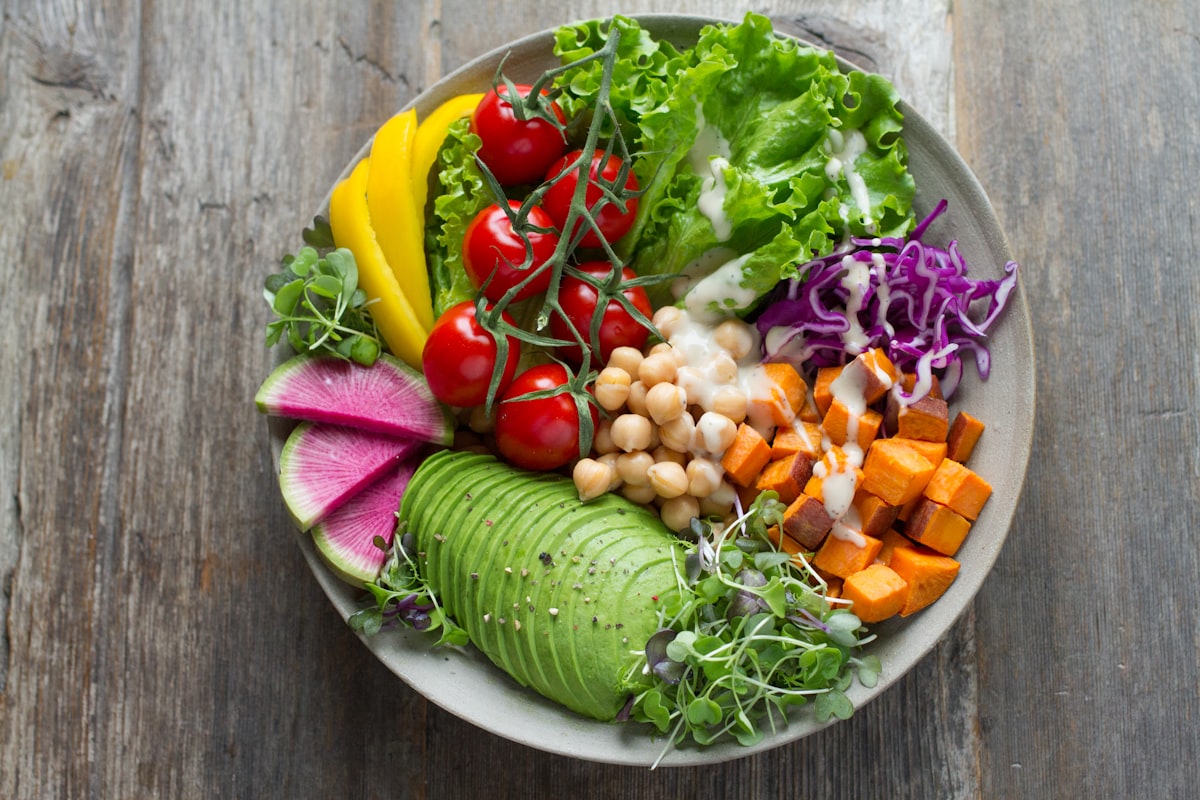
Prioritize fiber. Prebiotic fibers are fuel for beneficial bacteria, helping them regrow and produce protective short-chain fatty acids. Good sources include:
- Legumes such as lentils, beans, and chickpeas
- Oats, barley, and other whole grains
- Onions, garlic, leeks, and asparagus
- A wide variety of vegetables and fruits
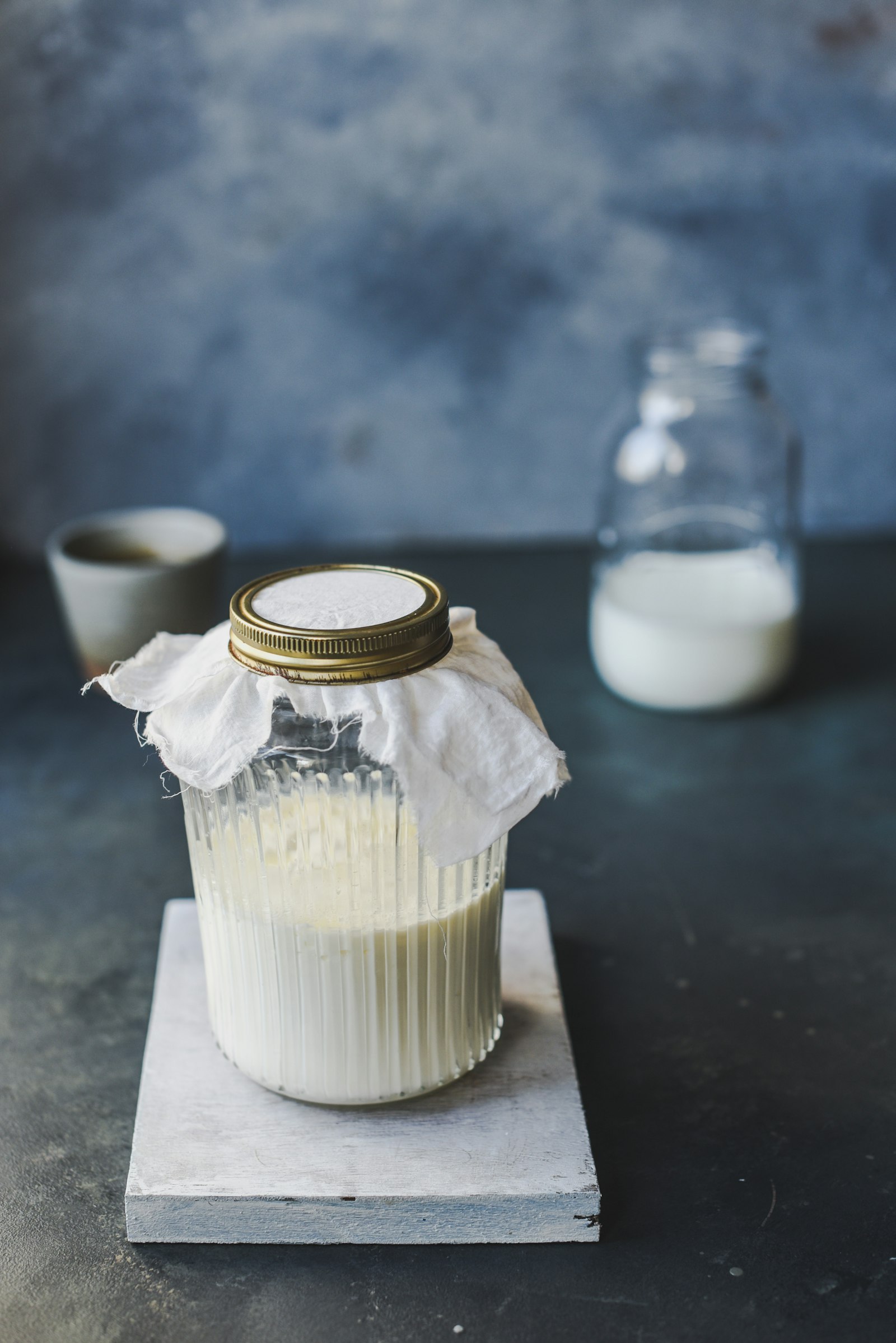
Add live-culture fermented foods. Kefir, live-culture yogurt, and raw sauerkraut introduce beneficial microbes and appear to support diversity. Our guide to fermented foods for gut health explains which products actually contain live cultures.
Eat a wide variety of plants. Microbial diversity tracks with dietary diversity, so aim for many different plant foods across the week rather than the same few.
Support the basics. Adequate hydration, decent sleep, and stress management all influence gut recovery, since the gut interacts with nearly every other system, including nutrient status like vitamin D. Give the process weeks to months, and let consistency do the work.
Habits That Support Long-Term Recovery
Beyond what is on your plate, several everyday habits create conditions where a recovering microbiome can thrive. None are dramatic, and that is precisely the point — steady, boring consistency is what rebuilds an ecosystem.
- Prioritize sleep, since circadian rhythms and the microbiome are interconnected and poor sleep can slow recovery
- Move regularly, as physical activity is independently associated with greater gut microbial diversity
- Manage stress, because stress hormones can further disrupt an already fragile gut community
- Stay hydrated to support digestion and regular bowel function during recovery
- Avoid unnecessary antibiotics in the future by using them only when a clinician determines they are truly needed
It also helps to reset expectations. You are not looking for an overnight fix but supporting a gradual rebuild that unfolds over weeks to months. Small, repeatable choices — a varied plant-rich plate, a daily serving of fermented food, decent sleep — compound over time. Trying to force rapid recovery with aggressive supplement stacks is more likely to waste money than to speed things up.
C. diff and When to Call a Doctor
While mild digestive upset after antibiotics is common and usually resolves, one complication is a genuine medical emergency: Clostridioides difficile (C. diff) infection. Antibiotics can wipe out the protective bacteria that normally keep C. diff in check, allowing it to overgrow and release toxins that inflame the colon.
Seek prompt medical attention if, during or after antibiotics, you experience:
- Severe, watery diarrhea (often three or more loose stools a day for two or more days)
- Frequent diarrhea accompanied by fever
- Abdominal pain, cramping, or tenderness
- Blood or pus in the stool
- Signs of dehydration such as dizziness, dark urine, or a rapid heartbeat
- Nausea and loss of appetite alongside persistent diarrhea
According to the CDC, C. diff causes hundreds of thousands of infections in the United States each year and can be dangerous, especially in older adults and those recently hospitalized. It is treatable, but it needs proper diagnosis and management — do not try to manage severe post-antibiotic diarrhea on your own.
More generally, call your doctor if digestive symptoms are severe, persistent, worsening, or accompanied by fever, unexplained weight loss, or blood in the stool. This article is educational and does not replace personalized advice from your healthcare provider.
When to See a Doctor
Reach out to a healthcare professional if you:
- Develop severe or persistent diarrhea during or after antibiotic treatment
- Notice blood in your stool, a high fever, or signs of dehydration
- Have symptoms that keep worsening rather than gradually improving
- Are immunocompromised, elderly, or recently hospitalized and develop gut symptoms
- Want guidance on whether a probiotic is appropriate for your specific medication and health history
Your doctor or pharmacist can tailor recovery advice to your circumstances far better than any general guide. And remember: any question about the antibiotic itself should go to the prescriber, never resolved by adjusting the dose yourself.
Frequently Asked Questions
How long does it take for gut bacteria to recover after antibiotics?
Recovery varies widely by person and antibiotic, but overall diversity usually rebounds substantially within a few weeks, with continued rebuilding over the following months. A 2018 Weizmann Institute study found that some native bacterial species can take six months or longer to fully return, and a few may not recover completely. A fiber-rich diet and good general health tend to speed the process.
Should I take probiotics with antibiotics?
The evidence is mixed. Certain probiotic strains can reduce antibiotic-associated diarrhea, but one notable 2018 study found probiotics may actually delay the return of your own natural microbiome. Whether to use one depends on your specific strain, situation, and doctor’s advice, and if you do, it is commonly taken a couple of hours apart from the antibiotic.
Can I stop antibiotics early to protect my gut?
No, never stop or skip prescribed antibiotics to protect your gut. Doing so can let the infection return and contributes to antibiotic resistance. Complete the full course exactly as prescribed, and use diet and lifestyle strategies for gut recovery afterward. Direct any concerns about side effects to the prescribing doctor.
What foods help rebuild gut health after antibiotics?
Fiber-rich foods like legumes, oats, onions, garlic, and a wide variety of vegetables feed beneficial bacteria and support regrowth. Live-culture fermented foods such as kefir, live yogurt, and raw sauerkraut add beneficial microbes. Eating many different plant foods across the week promotes the microbial diversity that marks a healthy gut.
What are the warning signs of C. diff after antibiotics?
Warning signs include severe, frequent watery diarrhea, fever, abdominal pain or cramping, and blood or pus in the stool, sometimes with dehydration. C. diff can be serious, especially in older or recently hospitalized people, and needs prompt medical care. If you develop these symptoms during or after antibiotics, contact a doctor right away rather than treating it yourself.