One in three American adults has prediabetes. That’s roughly 96 million people walking around with blood sugar levels that are elevated but not yet high enough for a diabetes diagnosis. The truly alarming part? More than 80% of them don’t know it.
Type 2 diabetes doesn’t show up overnight. It builds over years, sometimes decades, through a slow process of insulin resistance that your body initially compensates for — until it can’t. By the time most people get diagnosed, they’ve been prediabetic for an average of 5 to 10 years. The damage starts well before the diagnosis, too. Elevated blood sugar quietly injures blood vessels, nerves, and organs even at prediabetic levels.
But here’s what most guides leave out: the progression from prediabetes to type 2 diabetes is not inevitable. The Diabetes Prevention Program (DPP), one of the largest clinical trials ever conducted on the topic, demonstrated that lifestyle changes reduced the risk of developing type 2 diabetes by 58%. In adults over 60, the reduction was 71%. Those numbers beat the medication group, which saw a 31% reduction with metformin.
Key Takeaways
- Prediabetes affects 96 million American adults, and over 80% don’t know they have it — early detection is genuinely life-changing
- Insulin resistance develops years before blood sugar numbers go out of range; fasting glucose alone can miss the early stages
- The Diabetes Prevention Program trial showed lifestyle changes (modest weight loss + 150 minutes of weekly exercise) cut diabetes risk by 58%
- Dark skin patches (acanthosis nigricans), increased thirst, frequent urination, and slow wound healing are early warning signs most people dismiss
- A hemoglobin A1C test gives a 2-3 month average of blood sugar and catches what fasting glucose can miss
What Actually Happens Inside Your Body
To understand type 2 diabetes, you need to understand insulin — and frankly, most explanations oversimplify it.
When you eat carbohydrates (or protein to a lesser extent), your blood glucose rises. Your pancreas responds by releasing insulin, a hormone that acts like a key, unlocking cells in your muscles, fat tissue, and liver so they can absorb glucose from the bloodstream. This keeps blood sugar in a tight range, roughly 70-140 mg/dL throughout the day.
In insulin resistance, the locks start getting sticky. Your cells don’t respond to insulin as efficiently. The pancreas compensates by producing more insulin — sometimes two or three times the normal amount. For a while, this works. Your blood sugar stays normal, but your insulin levels are through the roof. Most standard blood tests don’t measure insulin, which is why this phase goes undetected.
Eventually, the pancreas can’t keep up. The beta cells that produce insulin become exhausted and some die off. Blood sugar starts creeping up — first after meals (postprandial hyperglycemia), then in the fasting state. By the time your fasting glucose hits 126 mg/dL or your A1C reaches 6.5%, you’ve had the underlying problem for years.
This is why the “you’re fine, your blood sugar is normal” reassurance from a routine physical can be misleading. Your blood sugar may be normal specifically because your pancreas is working overtime. Without checking fasting insulin levels or doing an oral glucose tolerance test, the early stages are invisible.
Early Warning Signs Most People Miss
The classic symptoms of diabetes — excessive thirst, frequent urination, unexplained weight loss — are signs of significantly elevated blood sugar. They typically appear when the disease is already well-established. The subtler, earlier warning signs are the ones worth knowing.
Acanthosis nigricans. Dark, velvety patches of skin that appear in body folds — the back of the neck, armpits, groin. This isn’t a hygiene issue; it’s a skin response to excess circulating insulin. If you notice these, get your insulin and blood sugar checked. This is one of the most reliable visible markers of insulin resistance.
Fatigue after meals. Feeling drowsy or needing a nap after eating — especially after carbohydrate-heavy meals — can signal that your blood sugar is spiking higher and crashing harder than it should. Occasional post-meal sleepiness is normal. Consistent, predictable energy crashes after eating are worth investigating.
Slow wound healing. Cuts, bruises, or small injuries that take noticeably longer to heal than they used to. High blood sugar impairs circulation and immune function, slowing the repair process. People often chalk this up to aging when it’s actually metabolic.
Tingling or numbness in hands and feet. Peripheral neuropathy can begin at prediabetic blood sugar levels. A 2006 study published in Neurology found that up to 30% of people with idiopathic peripheral neuropathy had impaired glucose tolerance — not full diabetes, just prediabetes.
Frequent infections. Particularly urinary tract infections and yeast infections. Elevated blood sugar creates a favorable environment for bacterial and fungal growth. Recurring infections that don’t have another obvious explanation should prompt metabolic screening.
Increased hunger despite eating enough. When insulin resistance prevents glucose from entering cells efficiently, your body can be swimming in energy it can’t access. The result is hunger signals even when you’ve consumed plenty of calories.
Blurred vision. Fluctuating blood sugar affects the shape of the lens in your eye, changing your focus. If your vision seems to shift — worse some days, better others — it could be glycemic variability rather than a straightforward need for glasses.
Who’s at Highest Risk?
Type 2 diabetes has a strong genetic component. If one parent has it, your lifetime risk is roughly 40%. If both parents have it, your risk approaches 70%. But genetics loads the gun; lifestyle pulls the trigger. Even with strong genetic predisposition, the right interventions can dramatically reduce or delay onset.
Beyond family history, these factors significantly increase risk:
Excess abdominal fat. Visceral fat — the fat packed around organs inside your abdomen — is metabolically different from subcutaneous fat. It actively secretes inflammatory compounds that worsen insulin resistance. Waist circumference is actually a better predictor of diabetes risk than BMI. A waist measurement over 40 inches in men or 35 inches in women is a red flag, regardless of what the scale says.
Sedentary behavior. Physical inactivity is an independent risk factor even when weight is normal. A 2016 meta-analysis in Diabetologia found that each additional hour of daily sedentary time was associated with a 22% increase in type 2 diabetes risk. Sitting is not the new smoking — that phrase is overblown — but prolonged sitting genuinely impairs glucose metabolism.
Age. Risk increases after 35, and rises significantly after 45. That said, type 2 diabetes is increasingly diagnosed in younger adults and even adolescents, largely driven by rising obesity rates.
Ethnicity. African Americans, Hispanic/Latino Americans, Native Americans, Asian Americans, and Pacific Islanders all face higher risk than white Americans. The reasons are complex — a mixture of genetics, epigenetics, socioeconomic disparities in food access, and healthcare inequities.
Gestational diabetes. Women who developed gestational diabetes during pregnancy have a 50% higher likelihood of developing type 2 diabetes within 5-10 years post-pregnancy. If this applies to you, annual screening is essential, not optional.
Polycystic ovary syndrome (PCOS). PCOS and insulin resistance are deeply intertwined. Up to 70% of women with PCOS have insulin resistance, and their diabetes risk is significantly elevated.
The Tests That Actually Matter
A standard fasting glucose test is a snapshot. It tells you what your blood sugar was at one moment in time, after not eating for 8-12 hours. It’s useful but limited.
Hemoglobin A1C is the gold standard for assessing blood sugar over time. It measures the percentage of hemoglobin molecules in your blood that have glucose attached, reflecting your average blood sugar over the past 2-3 months. An A1C below 5.7% is normal. Between 5.7% and 6.4% is prediabetes. At 6.5% or above, it’s diabetes. One advantage: it doesn’t require fasting.
Oral glucose tolerance test (OGTT) is more involved but catches problems that fasting glucose misses. You drink a 75-gram glucose solution, then have your blood drawn at one and two hours. A two-hour value of 140-199 mg/dL indicates prediabetes; 200 mg/dL or above is diabetes. Some people have perfectly normal fasting glucose but wildly abnormal post-challenge glucose. The OGTT catches those people.
Fasting insulin is rarely ordered but arguably should be. Elevated fasting insulin (roughly above 10-15 μIU/mL, though reference ranges vary) can indicate insulin resistance years before glucose numbers budge. If you have risk factors and normal glucose, asking for a fasting insulin level is reasonable.
If your results come back in the prediabetic range, don’t panic — but don’t ignore it either. Prediabetes is the stage where intervention is most powerful.
Evidence-Based Prevention Strategies
Weight Loss — But Not as Much as You Think
The DPP trial’s lifestyle intervention targeted just 7% body weight loss. For a 200-pound person, that’s 14 pounds. That modest reduction, combined with regular physical activity, produced that remarkable 58% risk reduction. You don’t need to reach your “ideal” weight. Even 5% body weight loss produces measurable improvements in insulin sensitivity.
The type of weight loss matters less than the fact of weight loss. Low-carb diets, Mediterranean diets, and conventional calorie-restricted diets all improve insulin sensitivity when they result in fat loss. A 2019 review in The BMJ found no clear superiority of one dietary pattern over another for diabetes prevention specifically — adherence was the strongest predictor of success.
That said, there’s good evidence that reducing refined carbohydrates and added sugars has outsized benefits for insulin resistance specifically, even independent of weight loss. You don’t need to go full ketogenic, but swapping white bread for whole grains and sugary drinks for water is low-hanging fruit with high metabolic payoff.
Physical Activity — The Most Underused Medicine
Exercise improves insulin sensitivity through multiple mechanisms. Muscle contractions activate glucose transporters (GLUT4) that pull sugar from the blood independently of insulin. This effect lasts 24-48 hours after exercise, which is why consistency matters more than intensity.
The target: 150 minutes per week of moderate-intensity activity. That’s a 30-minute brisk walk five days a week. Resistance training adds further benefit — building muscle mass increases your body’s glucose storage capacity. The American Diabetes Association recommends both aerobic exercise and resistance training at least twice per week.
Here’s something that deserves more attention: brief walks after meals. A 2022 meta-analysis in Sports Medicine found that even 2-5 minutes of light walking after eating significantly blunted postprandial glucose spikes. If you do nothing else, taking a short walk after dinner is a remarkably efficient intervention.
Sleep
Poor sleep and diabetes risk are tightly linked. Sleeping fewer than 6 hours per night is associated with a 28% increased risk of type 2 diabetes, according to a meta-analysis in Diabetes Care. Sleep deprivation increases cortisol, reduces insulin sensitivity, and disrupts appetite hormones in ways that promote overeating and fat storage. Improving your sleep quality is a legitimate diabetes prevention strategy, not just general wellness advice. For more on how sleep affects your health, see our guide on sleep deprivation effects.
Stress Management
Chronic stress keeps cortisol elevated, which directly raises blood sugar and promotes visceral fat accumulation. The relationship between anxiety and metabolic health is bidirectional — chronic stress worsens insulin resistance, and the physical symptoms of insulin resistance can increase anxiety. Addressing one helps the other.
Medications for Prevention
Metformin is the only medication with strong evidence for diabetes prevention in people with prediabetes. The DPP trial showed it reduced risk by 31% — less than lifestyle changes, but still meaningful. Current guidelines suggest metformin may be particularly appropriate for prediabetic adults under 60, those with a BMI over 35, or women with a history of gestational diabetes.
Some physicians are beginning to prescribe GLP-1 receptor agonists (semaglutide, liraglutide) for prediabetes, especially in patients with obesity. These medications produce significant weight loss and improve glycemic control. The SELECT trial demonstrated that semaglutide reduced the risk of major cardiovascular events in people with obesity, many of whom had prediabetes. Whether these drugs will become standard for diabetes prevention specifically is still being studied, but the trajectory is clear.
When to See a Doctor
Get your blood sugar tested if any of the following apply:
- You’re over 35 and haven’t been tested in the last three years
- You have a BMI over 25 (or over 23 if you’re Asian American)
- You have a first-degree relative with type 2 diabetes
- You’ve been diagnosed with prediabetes and haven’t followed up
- You had gestational diabetes
- You have PCOS
- You notice any of the warning signs discussed above — particularly acanthosis nigricans, unexplained fatigue, or slow wound healing
If you’ve already been diagnosed with prediabetes, annual monitoring is the minimum. Many experts recommend A1C testing every 6 months to catch progression early.
Don’t wait for symptoms. Type 2 diabetes is one of those diseases where the absence of symptoms doesn’t mean the absence of disease. Screening saves lives — not dramatically, not cinematically, but reliably.
Frequently Asked Questions
Can type 2 diabetes be reversed?
“Reversal” is debated terminology in medicine. What’s well-documented is that significant weight loss — particularly through bariatric surgery or very low-calorie diets — can put type 2 diabetes into remission, meaning blood sugar returns to normal without medication. The DiRECT trial showed that nearly half of participants who lost 15 kg or more achieved remission at 2 years. However, the underlying genetic susceptibility remains, and relapse is common if weight is regained. “Managed into remission” is more accurate than “cured.”
Is diabetes prevention different if it runs in my family?
The strategies are the same — diet, exercise, weight management, monitoring — but the urgency is higher. With a strong family history, you should begin screening earlier (by age 30 or even sooner if you have other risk factors) and be more aggressive about maintaining a healthy weight. The DPP trial showed that lifestyle interventions were effective regardless of family history.
Are artificial sweeteners safe for preventing diabetes?
The evidence is mixed and evolving. A 2023 WHO guideline advised against using non-sugar sweeteners for weight control, citing evidence that long-term use doesn’t reduce body fat and may be associated with increased risk of type 2 diabetes and cardiovascular disease. However, replacing sugar-sweetened beverages with water or unsweetened options is clearly beneficial. If artificial sweeteners help you make that transition, the short-term tradeoff may be worthwhile, but they shouldn’t be a long-term crutch.
How accurate are home blood glucose monitors?
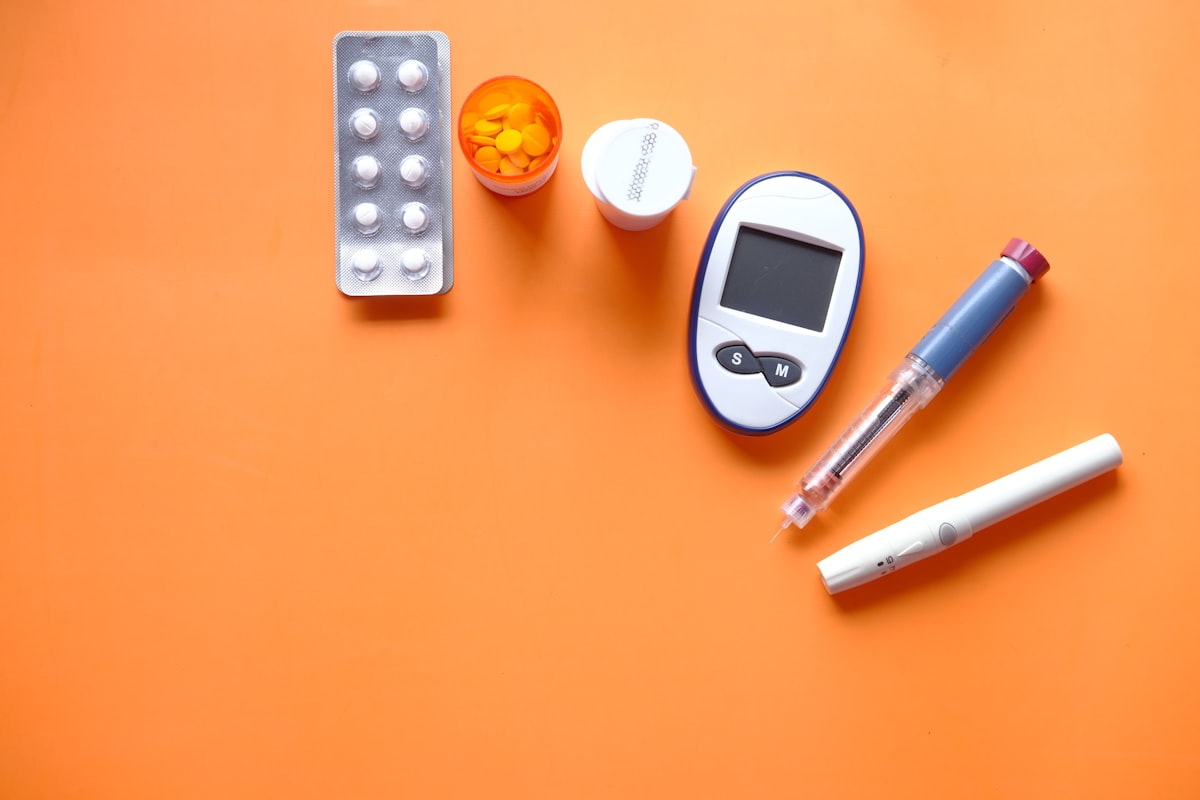
FDA-cleared home glucose monitors are generally accurate within 15% of laboratory values, which is adequate for monitoring trends. They’re useful for checking how specific foods affect your blood sugar. However, they measure capillary glucose (from fingertip blood), which can differ slightly from venous plasma glucose used in lab tests. For diagnosis and screening, lab tests remain the standard.
Does eating sugar cause diabetes?
Eating sugar doesn’t directly cause type 2 diabetes in the way that, say, a virus causes the flu. The relationship is indirect: excess sugar consumption contributes to weight gain, and excess weight — particularly visceral fat — drives insulin resistance. High-sugar diets, especially those heavy in sugar-sweetened beverages, are strongly associated with type 2 diabetes risk in population studies. So while sugar isn’t the sole cause, reducing added sugar intake is one of the most impactful dietary changes you can make for prevention.