Everyone worries. You worry about money, about your kid’s school performance, about that weird noise your car started making. That’s human. Worry serves a function — it flags potential problems so you can prepare for them. But somewhere on the spectrum between “I should probably check my bank account” and “I haven’t slept in four days because I can’t stop thinking about everything that could go wrong,” worry stops being useful and starts being a disorder.
About 6.8 million American adults have generalized anxiety disorder (GAD), according to the Anxiety & Depression Association of America. But the real number of people living with clinically significant anxiety is far higher, because GAD is just one form. Panic disorder, social anxiety disorder, specific phobias, and other anxiety conditions collectively affect roughly 40 million adults in the United States — making anxiety disorders the most common category of mental illness in the country.
Despite this, fewer than 37% of those affected receive treatment. Part of the reason is access and cost. But a significant part is that people genuinely don’t know whether what they’re experiencing crosses the line from normal to clinical. This article is about finding that line.
Key Takeaways
- Normal worry is proportional, specific, temporary, and doesn’t significantly impair function — clinical anxiety is disproportionate, diffuse, persistent, and disabling
- Anxiety produces real physical symptoms: racing heart, muscle tension, GI distress, shortness of breath — these aren’t imagined
- Generalized anxiety disorder requires excessive worry on more days than not for at least 6 months, plus associated physical and cognitive symptoms
- CBT and SSRIs are the first-line treatments, both with strong evidence bases
- If you’re in crisis: call or text 988 (Suicide & Crisis Lifeline) or text HOME to 741741 (Crisis Text Line) — help is available 24/7
Normal Worry vs Clinical Anxiety: The Real Differences
The distinction isn’t always a clean binary, but there are consistent patterns that separate everyday worry from pathological anxiety.
Normal worry tends to be specific. You’re worried about the presentation you’re giving Thursday. You’re worried about your mom’s biopsy results. The worry has a clear object, and when the situation resolves — you give the presentation, the results come back — the worry dissipates.
Clinical anxiety is diffuse and free-floating. One worry resolves and another immediately takes its place. Or the worries aren’t about anything specific at all — just a persistent sense that something bad is going to happen. People with GAD frequently describe it as a background hum of dread that never fully turns off.
Normal worry is proportional. The intensity matches the situation. Worrying about a job interview is proportional. Lying awake for a week convinced you’ll be fired, evicted, and destitute because you stumbled over one answer is not.
Clinical anxiety is disproportionate. The emotional and physiological response far exceeds what the situation warrants. You know, intellectually, that it’s disproportionate. This self-awareness is actually a hallmark of anxiety disorders — patients usually recognize their worry is excessive, which adds a layer of frustration. “I know this is irrational, but I can’t stop.”
Normal worry has an off switch. You can distract yourself with a movie, a conversation, or a good meal. The worry fades into the background.
Clinical anxiety resists distraction. You can try to watch TV, but the anxious thoughts keep intruding. You read the same paragraph three times because your mind is elsewhere. The worry has its own momentum.
Normal worry doesn’t significantly impair daily life. You still function at work, maintain relationships, and sleep reasonably well.
Clinical anxiety impairs function. You avoid situations that trigger anxiety. Your work performance drops. Relationships strain because you’re constantly seeking reassurance or withdrawing. Sleep suffers — falling asleep is hard when your mind won’t quiet, and the resulting sleep deprivation amplifies the anxiety further in a brutal feedback loop.
The Physical Symptoms of Anxiety (They’re Not in Your Head)
One of the most damaging misconceptions about anxiety is that it’s purely psychological. Anxiety is profoundly physical, and many people initially present to doctors with physical complaints, never connecting them to anxiety.
Cardiovascular symptoms. Racing heart (tachycardia), palpitations (awareness of your heartbeat), and chest tightness are extremely common. The sympathetic nervous system activation that underlies anxiety directly increases heart rate and blood pressure. Chronically elevated stress hormones from persistent anxiety can contribute to sustained blood pressure changes over time.
Gastrointestinal symptoms. The gut-brain axis means that anxiety often manifests as nausea, diarrhea, constipation, cramping, or loss of appetite. Irritable bowel syndrome (IBS) and anxiety disorders co-occur at startlingly high rates — estimates range from 44-84% comorbidity depending on the study. Understanding the gut-brain connection can help contextualize why anxiety so often shows up in the belly.
Muscle tension. Chronic jaw clenching, shoulder tension, tension headaches, and back pain are physical manifestations of sustained anxiety. Many people with chronic muscle pain discover, after years, that undiagnosed anxiety was a primary driver.
Respiratory symptoms. A feeling of not being able to get a full breath, frequent sighing, and hyperventilation are common. Hyperventilation itself creates a cascade: it reduces blood CO2 levels, causing tingling in the hands and face, lightheadedness, and more anxiety — a textbook positive feedback loop.
Other physical symptoms: fatigue (anxiety is exhausting), trembling, sweating, frequent urination, dizziness, insomnia, and hot flashes. If a doctor has told you your physical symptoms are “just anxiety,” that’s a misleading phrase. The symptoms are real. Anxiety is the mechanism, not an invalidation.
Generalized Anxiety Disorder: The Diagnostic Criteria
The DSM-5 defines generalized anxiety disorder with specific criteria. Understanding these can help you assess whether your experience meets a clinical threshold.
A. Excessive anxiety and worry occurring more days than not for at least 6 months, about a number of events or activities.
B. The person finds it difficult to control the worry.
C. The anxiety and worry are associated with three or more of the following (at least one in children):
- Restlessness or feeling keyed up or on edge
- Being easily fatigued
- Difficulty concentrating or mind going blank
- Irritability
- Muscle tension
- Sleep disturbance
D. The anxiety causes clinically significant distress or impairment in social, occupational, or other important areas of functioning.
E. The disturbance is not attributable to the physiological effects of a substance or another medical condition.
F. The disturbance is not better explained by another mental disorder.
The six-month duration criterion is key. Everyone has anxious periods. What distinguishes GAD is the persistence — this has been your baseline for half a year or more.
Other Anxiety Disorders to Know About
GAD gets most of the attention, but other anxiety disorders are equally or more common:
Panic disorder involves recurrent unexpected panic attacks — sudden surges of intense fear peaking within minutes, accompanied by symptoms like heart pounding, sweating, trembling, shortness of breath, and a sense of impending doom. Panic attacks can mimic heart attacks, and emergency departments see these regularly. The key feature of panic disorder (versus isolated panic attacks) is persistent concern about future attacks and behavioral changes to avoid them.
Social anxiety disorder is an intense fear of social situations where you might be scrutinized or judged. It goes well beyond shyness. People with social anxiety may avoid meetings, phone calls, dating, or eating in public. It affects approximately 7% of the U.S. population.
Specific phobias — heights, needles, spiders, flying — affect about 12% of adults. They’re the most common anxiety disorder but often don’t cause enough impairment to drive treatment-seeking.
What Causes Anxiety Disorders?
There is no single cause. Anxiety disorders arise from an interaction of genetic predisposition, brain chemistry, personality traits, and life experiences.
Genetics account for roughly 30-40% of the risk. Twin studies consistently show that anxiety disorders are moderately heritable. If a first-degree relative has an anxiety disorder, your risk increases 4-6 fold. But genetics load the gun; environment pulls the trigger.
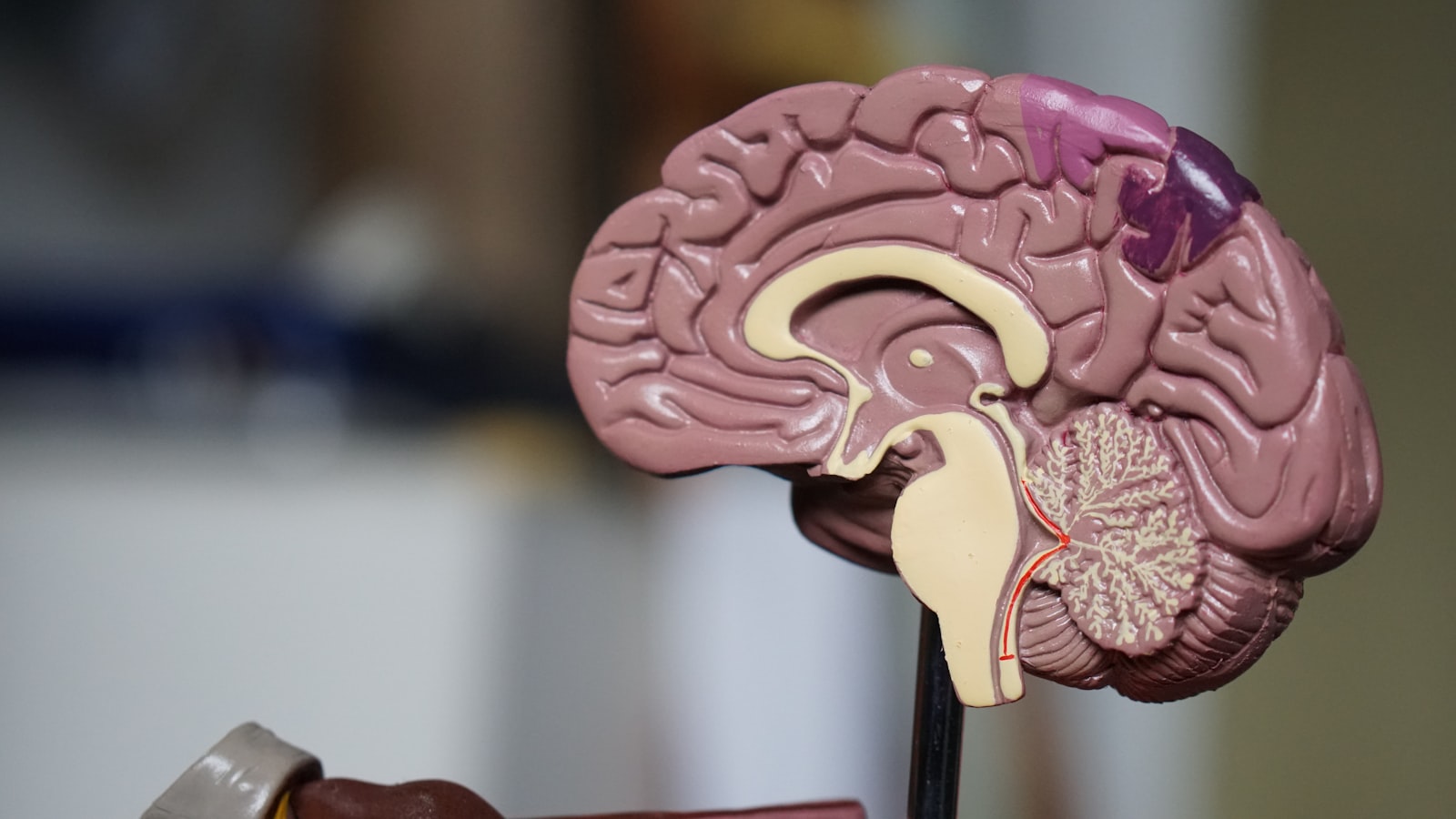
Neurotransmitter systems involved include serotonin, norepinephrine, GABA, and glutamate. The amygdala — the brain’s threat detection center — shows hyperactivity in anxiety disorders, while the prefrontal cortex (responsible for rational evaluation of threats) shows reduced regulatory control. It’s as if the alarm system is too sensitive and the volume control is broken.
Adverse childhood experiences (ACEs) significantly increase anxiety risk. Childhood abuse, neglect, household dysfunction, and other ACEs alter the stress response system during critical developmental periods. A child who grows up in an unpredictable or threatening environment develops a stress response calibrated for danger — and that calibration can persist into adulthood even when the environment changes.
Medical conditions can cause or worsen anxiety: thyroid disorders (particularly hyperthyroidism), cardiovascular disease, respiratory conditions like COPD, chronic pain, and withdrawal from alcohol or certain medications. A thorough initial evaluation should include basic labs to rule out medical contributors.
Evidence-Based Treatments That Work
Cognitive Behavioral Therapy (CBT)
CBT is the gold standard psychological treatment for anxiety disorders. It has more randomized controlled trial evidence than any other therapy for anxiety, and its effects are durable — often persisting long after treatment ends.
CBT works through two primary mechanisms:
Cognitive restructuring involves identifying and challenging distorted thought patterns. Anxious thinking is characterized by overestimation of threat probability (“I’ll definitely bomb this interview”), catastrophizing (“If I bomb it, I’ll never get another job”), and intolerance of uncertainty (“I need to know for sure it will be okay”). CBT teaches you to examine these thoughts as hypotheses rather than facts.
Behavioral exposure involves gradually facing feared situations rather than avoiding them. Avoidance is the fuel that keeps anxiety burning. Every time you avoid something anxiety-provoking, you reinforce the brain’s association between that situation and danger. Exposure breaks that cycle — not through willpower, but through new learning. Your brain updates its threat model when you experience the feared situation without the catastrophic outcome.
A standard course of CBT for anxiety involves 12-16 weekly sessions. Internet-based CBT (iCBT) has also shown efficacy and is more accessible for people with geographic or financial barriers.
Medication
SSRIs (selective serotonin reuptake inhibitors) are the first-line pharmacological treatment: sertraline (Zoloft), escitalopram (Lexapro), and paroxetine (Paxil) have the strongest evidence for GAD. They take 4-6 weeks to reach full effect. Initial side effects — nausea, headache, increased anxiety in the first week — often diminish with continued use.
SNRIs (serotonin-norepinephrine reuptake inhibitors), particularly venlafaxine (Effexor) and duloxetine (Cymbalta), are also first-line options with strong evidence.
Buspirone is a non-benzodiazepine anxiolytic that can be effective for GAD. It takes 2-4 weeks to work and doesn’t cause sedation or dependence. It’s underused relative to its evidence base, possibly because it doesn’t provide the immediate relief that benzodiazepines do.
Benzodiazepines (alprazolam, lorazepam, clonazepam) are effective for acute anxiety but carry significant risks: dependence develops within weeks, withdrawal can be dangerous, and long-term use is associated with cognitive impairment. Most guidelines recommend them only for short-term use or as a bridge while waiting for SSRIs to take effect. If a doctor prescribes benzodiazepines for long-term anxiety management without trying other options first, seek a second opinion.
Combining Therapy and Medication
For moderate-to-severe anxiety, the combination of CBT and medication tends to produce better outcomes than either alone. The medication can reduce symptom intensity enough to make therapy engagement possible, while therapy provides the skills and exposure work that produce lasting change.
Self-Help Strategies With Actual Evidence
These are not substitutes for professional treatment when it’s needed, but they have clinical evidence supporting their use as adjuncts or for milder presentations.
Regular aerobic exercise has anxiolytic effects comparable to some medications for mild-to-moderate anxiety. A 2018 meta-analysis in Depression and Anxiety found significant reductions in anxiety symptoms across various exercise modalities. The mechanism involves endorphin release, reduced cortisol, improved sleep, and enhanced serotonin function. Thirty minutes of moderate exercise most days of the week is a reasonable target.
Mindfulness-based stress reduction (MBSR) — an 8-week structured program combining meditation, body scanning, and yoga — has shown efficacy for anxiety in multiple trials. A 2023 JAMA Psychiatry trial by Hoge et al. found that MBSR was as effective as escitalopram for GAD. That’s a remarkable finding.
Sleep hygiene. Anxiety and insomnia feed each other relentlessly. Addressing sleep deprivation is not peripheral to anxiety management — it’s central. Consistent sleep and wake times, reduced screen time before bed, and a cool, dark bedroom are foundational.
Limiting caffeine and alcohol. Caffeine directly activates the sympathetic nervous system. In caffeine-sensitive individuals, even moderate amounts can trigger or worsen anxiety. Alcohol provides temporary anxiolytic effects but worsens anxiety through rebound effects, sleep disruption, and neurochemical changes. People with anxiety disorders have a significantly elevated risk of alcohol use disorder.
Structured worry time. This CBT-adjacent technique involves designating a specific 15-20 minute window each day for worry. Outside that window, you notice the worry, note it mentally, and redirect attention until the scheduled time. It sounds simplistic, but controlled studies support its efficacy for reducing generalized worry.
When to See a Doctor
Seek professional help if:
- Worry or anxiety persists for most days over several weeks and you can’t control it
- Anxiety is interfering with work, relationships, or daily activities
- You’re avoiding situations, places, or people because of anxiety
- Physical symptoms (chest pain, GI distress, chronic tension) don’t have a medical explanation
- You’re using alcohol, drugs, or other substances to manage anxiety
- You’re experiencing panic attacks
- Anxiety is accompanied by depression, hopelessness, or thoughts of self-harm
Starting with your primary care provider is appropriate. They can rule out medical causes, initiate medication if indicated, and refer to a therapist. If you want to go directly to therapy, look for a licensed psychologist or therapist with specific training in CBT for anxiety disorders. The Psychology Today therapist directory (psychologytoday.com) allows filtering by specialty and insurance.
Crisis Resources
If you or someone you know is in crisis or experiencing suicidal thoughts:
- 988 Suicide & Crisis Lifeline: Call or text 988 — available 24/7 for emotional distress, suicidal thoughts, or mental health crisis
- Crisis Text Line: Text HOME to 741741 — available 24/7 for any type of crisis
- Emergency services: Call 911 if there is immediate danger to life
- Veterans Crisis Line: Call 988 then press 1, or text 838255
- SAMHSA National Helpline: Call 1-800-662-4357 — free referrals and information, 24/7
You do not need to be suicidal to use these resources. They exist for anyone in emotional distress.
Frequently Asked Questions
Can anxiety go away on its own without treatment?
Isolated anxious episodes — related to a specific stressor — often resolve once the stressor passes. But generalized anxiety disorder and other chronic anxiety conditions rarely remit spontaneously. A longitudinal study published in Psychological Medicine found that only about 38% of people with GAD achieved remission within 5 years without treatment. With appropriate treatment (CBT, medication, or both), remission rates are significantly higher and recovery is faster.
Is anxiety genetic? Will my children have it?
Anxiety disorders have a genetic component (roughly 30-40% heritability), but having an anxious parent does not guarantee an anxious child. Environmental factors — parenting style, life experiences, coping skills learned early — play an enormous role. If you have anxiety and are concerned about your children, the most protective factor you can provide is modeling healthy coping and ensuring they have access to support if symptoms develop.
Can anxiety cause physical illness?
Yes. Chronic anxiety and its associated physiological changes — sustained cortisol elevation, systemic inflammation, sympathetic nervous system activation — contribute to cardiovascular disease, immune dysfunction, gastrointestinal disorders, and other physical conditions over time. Anxiety is not “just in your head” in any sense. It is a whole-body condition with whole-body consequences.
What’s the difference between anxiety and an anxiety attack?
“Anxiety attack” isn’t a formal diagnostic term, but people typically use it to describe an episode of intense anxiety with prominent physical symptoms. A panic attack has a specific clinical definition: a sudden surge of intense fear reaching a peak within minutes, accompanied by at least 4 of 13 defined symptoms (pounding heart, sweating, trembling, shortness of breath, chest pain, nausea, dizziness, chills/hot flashes, numbness, derealization, fear of losing control, fear of dying). The key distinction is that panic attacks have a rapid onset and peak, while “anxiety attacks” tend to build more gradually.
How long does therapy for anxiety take?
A standard course of CBT for anxiety disorders is typically 12-16 sessions (3-4 months of weekly therapy). Many people experience significant improvement within 8-10 sessions. Some may need longer treatment, particularly if anxiety co-occurs with other conditions. Maintenance sessions — monthly or as-needed — can help prevent relapse. Medication, when used, is typically continued for 6-12 months after symptom remission before a gradual taper is attempted.