Nearly half of American adults have high blood pressure, according to the CDC (2023) — and roughly a third of them don’t know it. Blood pressure is one of the most important indicators of cardiovascular health, yet it produces no symptoms in most people until real damage has been done. That’s why doctors call hypertension “the silent killer”: it quietly stresses your heart, arteries, kidneys, and brain for years before announcing itself as a heart attack or stroke.
The good news is that blood pressure is measurable, trackable, and — in most cases — highly responsive to changes you control. This guide explains what your numbers actually mean, how to measure them correctly, and what the evidence says about bringing them down.
Key Takeaways
- Blood pressure is written as two numbers: systolic (pressure when the heart beats) over diastolic (pressure between beats), measured in mmHg
- Under the 2017 ACC/AHA guidelines, normal is below 120/80 mmHg, and hypertension now starts at 130/80 mmHg — lower than the old 140/90 threshold
- Most hypertension has no symptoms, so regular measurement is the only reliable way to catch it
- Lifestyle changes — the DASH diet, sodium reduction, exercise, limiting alcohol, and better sleep — can lower systolic pressure by 10 mmHg or more when combined
- Readings above 180/120 mmHg are a hypertensive crisis; with symptoms like chest pain or vision changes, call 911
What Blood Pressure Readings Actually Measure
Blood pressure is the force of circulating blood pushing against the walls of your arteries. Every reading contains two numbers, expressed in millimeters of mercury (mmHg). Both matter, and each tells you something different about your cardiovascular system.
Systolic pressure — the top number — is the pressure in your arteries at the moment your heart contracts and pushes blood outward. Diastolic pressure — the bottom number — is the pressure that remains while your heart relaxes and refills between beats. A reading of 118/76 mmHg means your arteries experience 118 mmHg of force during each heartbeat and 76 mmHg between beats.
For most adults, systolic pressure carries more predictive weight. According to the American Heart Association (AHA), systolic readings tend to rise steadily with age as arteries stiffen, and elevated systolic pressure is a stronger independent risk factor for cardiovascular disease in people over 50. That said, an elevated diastolic number alone is still enough for a hypertension diagnosis.
Blood pressure also fluctuates constantly. It rises when you exercise, drink coffee, feel stressed, or even talk during a measurement, and it dips during sleep. This is normal — what matters for diagnosis is your resting average across multiple readings on multiple days, not any single number.
Blood Pressure Categories: The 2017 ACC/AHA Guidelines
In 2017, the American College of Cardiology and the American Heart Association redefined the categories, lowering the threshold for hypertension from 140/90 to 130/80 mmHg. The change reflected evidence — including the landmark SPRINT trial (2015) — that cardiovascular damage begins at lower pressures than previously treated.
| Category | Systolic (mmHg) | Diastolic (mmHg) | |
|---|---|---|---|
| Normal | Below 120 | and | Below 80 |
| Elevated | 120–129 | and | Below 80 |
| Hypertension Stage 1 | 130–139 | or | 80–89 |
| Hypertension Stage 2 | 140 or higher | or | 90 or higher |
| Hypertensive Crisis | Above 180 | and/or | Above 120 |
A few details worth noting about how these categories work in practice:
- The “or” matters. You only need one number in a higher category to be classified there. A reading of 124/86 mmHg is Stage 1 hypertension because of the diastolic number, even though the systolic is merely elevated.
- Elevated is a warning, not a diagnosis. The 120–129 systolic range signals that hypertension is likely developing. It’s the stage where lifestyle changes have the best chance of preventing progression.
- Crisis readings need immediate attention. If you get a reading above 180/120 mmHg, wait five minutes and measure again. If it’s still that high and you have symptoms — chest pain, shortness of breath, severe headache, numbness, or vision changes — call 911. If you have no symptoms, contact your doctor right away.
One high reading at a doctor’s office doesn’t equal a diagnosis. Clinicians typically confirm hypertension with readings on two or more separate occasions, and many now recommend home or ambulatory monitoring to rule out “white coat hypertension” — pressure that spikes only in clinical settings.
How to Measure Blood Pressure Correctly at Home
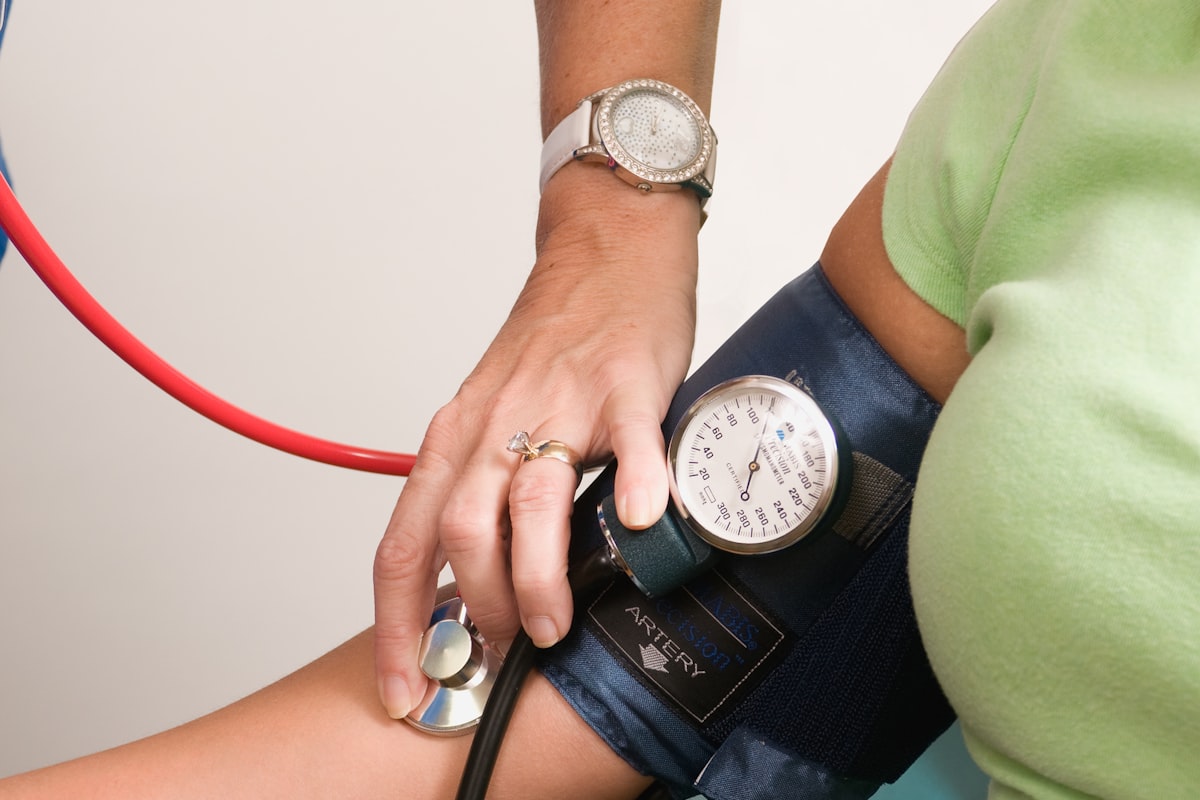
Home monitoring is one of the most useful things you can do for cardiovascular health, and the AHA actively recommends it for anyone with elevated readings. But technique matters enormously — small mistakes routinely add 5 to 20 mmHg to a reading, which can be the difference between “normal” and “Stage 1.”
Choose a validated, automatic upper-arm cuff monitor rather than a wrist or finger device, which are less accurate. Then follow the same protocol clinicians use:
- Avoid caffeine, exercise, and smoking for 30 minutes before measuring
- Empty your bladder — a full bladder can raise readings by roughly 10 mmHg
- Sit quietly for 5 minutes first, feet flat on the floor, legs uncrossed, back supported
- Rest your arm on a table at heart level, with the cuff on bare skin, not over clothing
- Don’t talk or scroll your phone during the measurement
- Take two readings one minute apart, morning and evening, and record both
Measure at the same times each day for at least a week before drawing conclusions, and bring the log to your doctor. Also note that dehydration can skew readings and make you feel lightheaded on top of it — if your numbers swing oddly in summer or after illness, review the signs of dehydration and how much water you actually need.
Finally, check your monitor’s accuracy roughly once a year by bringing it to an appointment and comparing it against the clinic’s measurement.
Risk Factors for High Blood Pressure
Hypertension rarely has a single cause. In about 90–95% of cases — called primary or essential hypertension — it develops gradually from a mix of genetics, age, and lifestyle. Understanding your personal risk profile helps you know how aggressively to act.
Risk factors you can’t change:
- Age — arteries naturally stiffen over time; the CDC reports that a majority of adults over 60 have hypertension
- Family history — having a parent with high blood pressure significantly raises your own odds
- Race and ethnicity — in the US, Black adults develop hypertension earlier and more severely on average, per CDC data
- Chronic conditions — kidney disease, thyroid disorders, and sleep apnea can all drive pressure up
Risk factors you can influence:
- Excess weight — more body mass means more blood volume and more force on artery walls
- High-sodium, low-potassium diet — sodium retains fluid; potassium helps counteract it
- Physical inactivity — a sedentary heart works harder per beat
- Alcohol and tobacco — both raise pressure acutely and chronically
- Chronic stress and poor sleep — sustained stress hormones keep pressure elevated
These risk factors also travel together. High blood pressure frequently shows up alongside abnormal cholesterol levels and insulin resistance, and each condition amplifies the damage of the others. If your readings are creeping up, it’s worth looking at your metabolic health as a whole — including your risk for type 2 diabetes, which shares most of the same drivers.
Lifestyle Changes That Lower Blood Pressure
Lifestyle modification is first-line treatment for elevated blood pressure and Stage 1 hypertension in lower-risk patients — not a nice-to-have, but the actual prescription. The effects below are individually modest, but they stack. Combining several can rival the effect of a medication.
The DASH Diet
DASH (Dietary Approaches to Stop Hypertension) was developed through NIH-funded trials in the 1990s and remains the best-studied eating pattern for blood pressure. According to the NIH’s National Heart, Lung, and Blood Institute, following DASH can lower systolic pressure by up to 11 mmHg in people with hypertension. The core principles:
- Emphasize vegetables, fruits, and whole grains
- Include low-fat dairy, fish, poultry, beans, and nuts
- Limit red meat, sweets, and sugar-sweetened drinks
- Cap saturated fat and prioritize potassium-, calcium-, and magnesium-rich foods
Sodium Reduction
The AHA recommends keeping sodium below 2,300 mg per day, with an ideal target of 1,500 mg for most adults with high blood pressure. The practical challenge: more than 70% of dietary sodium comes from packaged and restaurant food, not the salt shaker. Reading labels and cooking more meals at home matter far more than skipping added salt at the table. Salt sensitivity varies between individuals, but on average, cutting sodium lowers systolic pressure by about 5–6 mmHg in people with hypertension.
Exercise
Regular aerobic activity lowers systolic blood pressure by an average of 5–8 mmHg in people with hypertension. The AHA target is at least 150 minutes of moderate-intensity activity per week — brisk walking counts. Dynamic resistance training and even isometric exercise (like wall sits) have shown meaningful reductions in recent meta-analyses. Consistency beats intensity: pressure benefits fade within weeks when training stops.
Weight, Alcohol, and Sleep
If you carry excess weight, expect roughly 1 mmHg of systolic reduction per kilogram lost — meaning a 10 kg (22 lb) loss can deliver a genuinely drug-like effect. For alcohol, the AHA advises no more than two drinks per day for men and one for women; drinking above that reliably raises pressure.
Sleep is the most underrated lever. Chronically sleeping less than six hours a night is associated with higher blood pressure, partly because pressure normally dips 10–20% during sleep and short sleepers lose that recovery window. Untreated sleep apnea is an even stronger driver. If you snore heavily or wake unrefreshed, read our guide on what sleep deprivation does to your body and raise it with your doctor.
Medication: When Lifestyle Alone Isn’t Enough
For some people, lifestyle changes won’t be sufficient — and that’s not a personal failure. Genetics, age, and kidney function set a floor that behavior can’t always overcome. Under the 2017 ACC/AHA guidelines, medication is generally recommended for Stage 2 hypertension, and for Stage 1 when the patient has diabetes, kidney disease, existing cardiovascular disease, or an elevated 10-year cardiovascular risk score.
Doctors choose from several major drug classes — thiazide diuretics, ACE inhibitors, angiotensin receptor blockers (ARBs), and calcium channel blockers are the usual first-line options. Which one (or which combination) is right depends on your age, kidney function, other conditions, and how you respond. This is a decision to make with your doctor; specific drugs and doses are individualized, and you should never adjust or stop blood pressure medication on your own, since rebound spikes can be dangerous.
Two points people often get wrong about medication:
- It’s usually long-term, but not always forever. Some patients who lose significant weight and sustain lifestyle changes are able to reduce or discontinue medication under medical supervision.
- Feeling fine doesn’t mean it’s working — or that you can stop. Hypertension is symptomless, so only measured readings tell you whether treatment is on target.
Medication costs and monitoring visits also add up over time, which is one more reason to understand what your plan covers — our explainer on how health insurance actually works covers deductibles, copays, and prescription tiers.
When to See a Doctor
Because hypertension is silent, screening is the whole game. Consult a healthcare provider if:
- You haven’t had your blood pressure checked in over a year
- Home readings consistently average 130/80 mmHg or higher
- You get a single reading above 180/120 mmHg (seek immediate care if symptoms accompany it)
- You experience severe headaches, chest pain, shortness of breath, or vision changes
- You’re pregnant — blood pressure disorders like preeclampsia require close monitoring
- Your current treatment plan isn’t bringing readings down after several months
Bring your home measurement log to the appointment. A week of properly taken morning and evening readings gives your doctor far better information than a single office measurement ever could.
Frequently Asked Questions
What is a normal blood pressure by age?
The 2017 ACC/AHA guidelines define normal as below 120/80 mmHg for all adults — there is no separate “normal for your age” allowance. Blood pressure does tend to rise with age, but that rise reflects arterial stiffening, not a harmless new baseline. Older adults’ treatment targets are individualized with a doctor, especially when frailty or fall risk is a concern.
Which number matters more, systolic or diastolic?
Both are used for diagnosis, but for adults over 50, systolic pressure (the top number) is generally the stronger predictor of cardiovascular risk, according to the AHA. In younger adults, elevated diastolic pressure is relatively more common and still meaningful. Either number alone can place you in a hypertension category.
Can drinking water lower blood pressure?
Staying hydrated supports normal blood volume and kidney function, and dehydration can cause pressure to swing — but water is not a treatment for hypertension. No amount of water intake replaces sodium reduction, exercise, or prescribed medication. If you’re curious about hydration itself, see our guide to daily water intake and dehydration signs.
How quickly can lifestyle changes lower blood pressure?
Faster than most people expect. In NIH trials, the DASH diet produced measurable reductions within two weeks. Exercise effects typically appear within one to three months of consistent training. Weight-loss effects accrue gradually alongside the pounds. Track home readings weekly so you and your doctor can see whether the trend justifies holding off on — or adding — medication.
Does caffeine raise blood pressure?
Caffeine causes a short-term spike of roughly 5–10 mmHg in people who don’t consume it regularly, but habitual moderate coffee drinking has not been shown to raise long-term hypertension risk in most studies. If you’re sensitive, measure your pressure before and 30 minutes after coffee. Just avoid caffeine in the half hour before any reading you plan to record.
Is low blood pressure dangerous?
Readings below 90/60 mmHg count as low blood pressure (hypotension). For many healthy people it causes no problems, but if it produces dizziness, fainting, blurred vision, or fatigue — especially when standing up — it deserves a medical evaluation. Sudden drops can signal dehydration, blood loss, infection, or a medication side effect.