You carry roughly 38 trillion microorganisms in your gut. That’s more bacterial cells than human cells in your body — a fact that should fundamentally change how you think about what “you” actually are. This microbial ecosystem, collectively called the gut microbiome, weighs about 2-3 pounds in the average adult and contains somewhere between 500 and 1,000 distinct bacterial species. It’s been called a “forgotten organ,” and frankly, that description undersells it.
Over the past two decades, microbiome research has exploded from a niche corner of microbiology into one of the hottest areas in all of medicine. The reason is simple: we keep discovering that this bacterial ecosystem influences far more than digestion. It shapes your immune function, your mood, your weight, your sleep, and possibly even your risk of neurodegenerative disease. The gut is not just processing your lunch. It’s running significant parts of the operation.
Key Takeaways
- Your gut microbiome contains trillions of bacteria that influence digestion, immunity, mood, and metabolic health
- The gut-brain axis is a bidirectional communication highway — gut bacteria produce neurotransmitters including roughly 95% of your body’s serotonin
- Microbiome diversity is the key metric of gut health, and the modern Western diet systematically destroys it
- Probiotics have real clinical evidence for specific conditions, but most commercial products are poorly matched to individual needs
- Rebuilding a healthy microbiome requires sustained dietary change, not a two-week supplement course
What Is the Gut Microbiome, Exactly?
The term “microbiome” refers to the complete collection of microorganisms — bacteria, viruses, fungi, and archaea — living in your gastrointestinal tract, along with their collective genetic material. The “microbiota” refers specifically to the organisms themselves, though the two terms are frequently used interchangeably.
Most of these organisms reside in the large intestine (colon), where oxygen levels are low and conditions favor anaerobic fermentation. The small intestine has a much sparser microbial population because of bile acids, pancreatic enzymes, and faster transit times that make colonization difficult.
Your microbiome is as individual as a fingerprint. Identical twins share only about 34% of their gut bacterial species, according to data from the TwinsUK registry, suggesting that environment and diet matter far more than genetics in determining microbial composition. The colonization process begins at birth — babies born vaginally acquire different initial communities than those born via C-section — and the microbiome continues evolving rapidly through the first three years of life before stabilizing into a more adult-like pattern.
Why Diversity Matters More Than Specific Strains
If there’s one principle that emerges from microbiome research, it’s this: diversity is health. People with a greater variety of gut bacterial species consistently show better metabolic markers, stronger immune function, and lower rates of chronic disease.
The Human Microbiome Project and the American Gut Project both found that reduced microbial diversity correlates with conditions including obesity, type 2 diabetes, inflammatory bowel disease, and allergic conditions. The Hadza people of Tanzania, one of the last remaining hunter-gatherer populations, carry roughly 40% more gut microbial diversity than the average Westerner. They also have virtually no obesity, diabetes, or autoimmune disease.
This doesn’t prove causation on its own. But animal studies where germ-free mice receive fecal transplants from obese versus lean humans — and then become obese or stay lean accordingly — strongly suggest the microbiome is playing a causal role.
The Gut-Brain Axis: Your Second Brain Isn’t a Metaphor
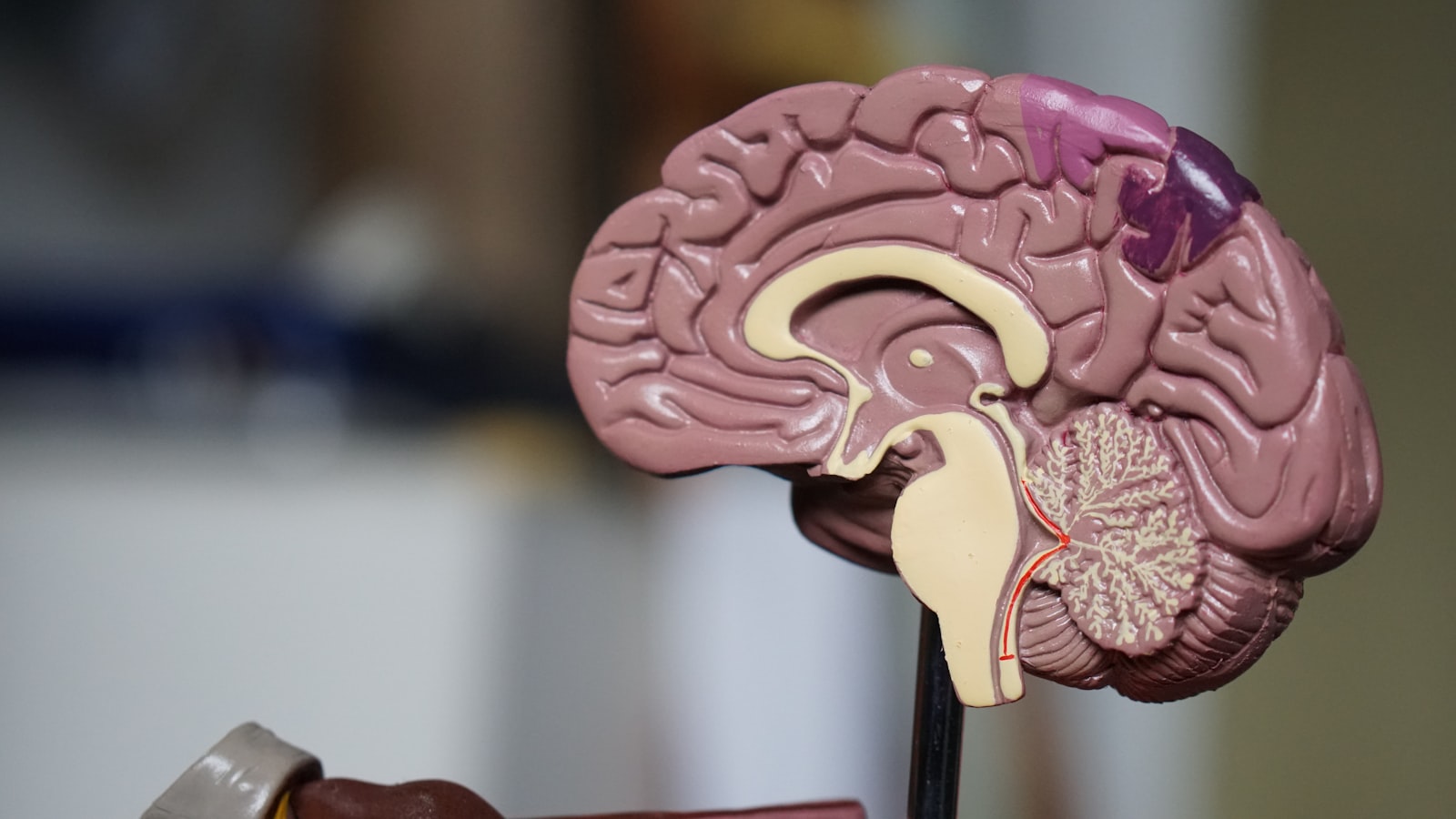
The gut contains approximately 500 million neurons — more than your spinal cord — forming the enteric nervous system. This “second brain” communicates with the central nervous system through the vagus nerve, hormonal signals, and immune mediators. The communication goes both directions: the brain influences gut function (think stress-induced nausea), and the gut influences brain function through the gut-brain connection.
Gut bacteria produce neurotransmitters directly. Certain Lactobacillus strains produce GABA, the primary inhibitory neurotransmitter in the brain. Specific Bacillus species produce dopamine. And perhaps most strikingly, the gut produces roughly 95% of the body’s serotonin — the neurotransmitter most commonly targeted by antidepressant medications.
A 2019 study published in Nature Microbiology analyzed the gut microbiomes of over 1,000 participants in the Flemish Gut Flora Project and found that two bacterial genera — Coprococcus and Dialister — were consistently depleted in individuals with depression, even after correcting for antidepressant use. This held up in an independent validation cohort.
The clinical implications are still being worked out. Probiotic interventions for depression (sometimes called “psychobiotics”) show promising but inconsistent results. A 2019 meta-analysis in BMJ Nutrition, Prevention & Health found modest benefits for depressive symptoms, though the authors noted high variability in strains, dosages, and study designs.
Gut Bacteria and Sleep
The microbiome influences sleep patterns through its effects on serotonin (a precursor to melatonin), cortisol, and inflammatory cytokines. A 2019 study in PLoS ONE found that microbiome diversity positively correlated with sleep efficiency and total sleep time. Poor sleep, in turn, alters the microbiome — creating yet another bidirectional cycle. If you’re dealing with chronic sleep problems, gut health is worth investigating as a contributing factor.
Signs Your Gut Microbiome May Be Out of Balance
“Dysbiosis” is the clinical term for a disrupted microbial ecosystem. It’s not a single condition but rather a pattern of reduced diversity and shifts toward less beneficial species. The signs can be obvious or surprisingly subtle.
Digestive symptoms are the most intuitive: persistent bloating, gas, constipation, diarrhea, or alternating between the two. But many people with dysbiosis don’t have obvious GI complaints.
Frequent illness can signal gut-driven immune dysfunction. Roughly 70% of the immune system resides in the gut-associated lymphoid tissue (GALT), and microbial disruption directly compromises immune surveillance.
Unintentional weight changes — gaining or losing weight without deliberate dietary shifts — can reflect microbial alterations affecting nutrient absorption and energy harvest. Studies show that obese individuals tend to have a higher ratio of Firmicutes to Bacteroidetes bacteria, though the clinical utility of this single ratio has been questioned.
Skin conditions including eczema, acne, and rosacea have microbiome connections. The “gut-skin axis” is a growing research area, with several studies linking intestinal permeability and microbial imbalances to inflammatory skin conditions.
Chronic fatigue and brain fog may seem unrelated to digestion, but systemic inflammation driven by a leaky gut barrier (increased intestinal permeability) can produce these symptoms. When tight junctions between intestinal epithelial cells loosen, bacterial endotoxins like lipopolysaccharide (LPS) enter the bloodstream, triggering widespread low-grade inflammation.
Sugar cravings have a microbiome component. Certain bacteria thrive on simple sugars and can influence host food preferences through vagal nerve signaling and the production of craving-inducing metabolites. The bacteria, in a sense, are ordering their own meals.
What Destroys Your Gut Microbiome
Understanding what damages the microbiome is just as important as knowing how to rebuild it.
Antibiotics are the most dramatic disruptor. A single course of broad-spectrum antibiotics can reduce microbial diversity by 30% and shift composition for months — sometimes a year or more. A 2016 study in mBio found that some species never fully recover. This doesn’t mean you should refuse antibiotics when needed. It means unnecessary prescriptions carry a real hidden cost — and our guide to gut health after antibiotics covers how to rebuild afterward.
The Western diet — high in refined sugars, processed foods, and saturated fat, low in fiber — systematically starves beneficial bacteria. A Stanford University study (Sonnenburg et al., 2016) in mice demonstrated that a low-fiber diet caused extinction of certain microbial species within generations, and reintroducing fiber didn’t bring them back. Once lost, some species are gone.
Chronic stress alters the microbiome through cortisol-mediated changes in gut motility, secretions, and intestinal permeability. Military training studies have shown measurable gut microbiome shifts in soldiers undergoing sustained psychological and physical stress.
Artificial sweeteners, particularly saccharin and sucralose, have been shown to alter gut microbial composition in both animal and human studies. A 2022 randomized controlled trial in Cell (Suez et al.) demonstrated that saccharin and sucralose significantly altered human gut microbiomes and impaired glycemic responses.
Poor sleep closes the loop. Circadian disruption reshapes microbial populations, which in turn affects the metabolites available for host physiology, which further disrupts sleep.
Rebuilding Your Microbiome: Diet Strategies That Work
The single most impactful intervention for gut health is dietary fiber. Full stop. Everything else is secondary.
Fiber Is the Foundation
Gut bacteria ferment dietary fiber into short-chain fatty acids (SCFAs) — primarily butyrate, propionate, and acetate. Butyrate is the preferred energy source for colonocytes (the cells lining your colon), maintains the intestinal barrier, and has anti-inflammatory properties. Without adequate fiber, butyrate production drops, the gut barrier weakens, and inflammation increases.
The recommended daily fiber intake is 25-30 grams. The average American gets about 15. That gap explains a lot.
Diverse fiber sources matter more than total grams. A 2018 American Gut Project analysis found that people eating 30 or more different plant types per week had significantly greater microbial diversity than those eating 10 or fewer, regardless of whether they identified as vegetarian.
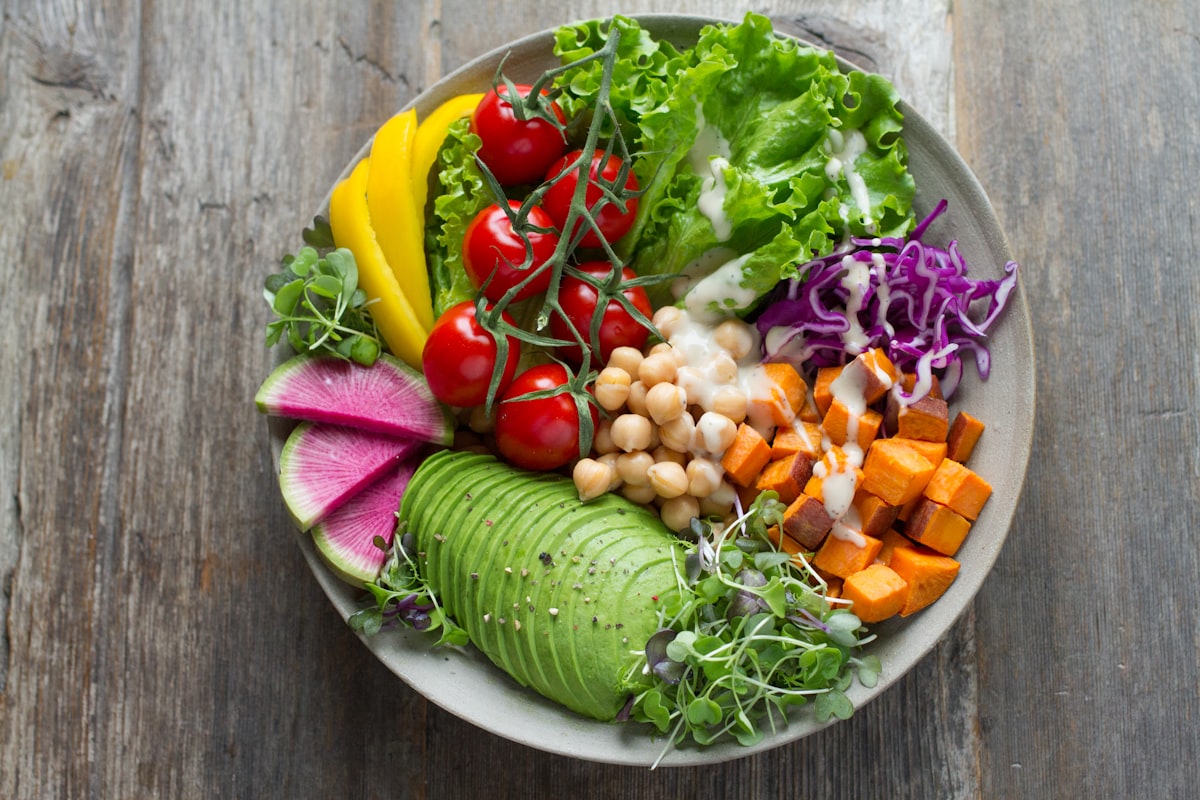
Practical high-fiber foods: legumes (lentils, chickpeas, black beans), oats, barley, artichokes, onions, garlic, leeks, bananas (especially slightly green), asparagus, and flaxseeds.
Prebiotics vs Probiotics: Know the Difference
Prebiotics are specific fibers and compounds that selectively feed beneficial bacteria. Inulin, fructo-oligosaccharides (FOS), and galacto-oligosaccharides (GOS) are the best-studied. Food sources include garlic, onions, leeks, asparagus, bananas, and chicory root. Prebiotic supplementation has demonstrated improvements in calcium absorption, blood lipid profiles, and immune markers in clinical trials.
Probiotics are live microorganisms that, when consumed in adequate amounts, confer a health benefit. The key phrase is “adequate amounts” — many commercial products contain either too few colony-forming units (CFUs) or strains that don’t survive gastric acid to reach the colon.
The evidence for probiotics is strongest for specific conditions with specific strains:
- Saccharomyces boulardii for antibiotic-associated diarrhea (NNT of about 10 — meaning you need to treat 10 patients for one to benefit)
- Lactobacillus rhamnosus GG for pediatric acute gastroenteritis
- VSL#3 (a multi-strain formulation) for ulcerative colitis maintenance
- Bifidobacterium infantis 35624 for irritable bowel syndrome symptoms
Grabbing a random probiotic off the shelf because the label says “gut health” is not evidence-based medicine. Strain specificity matters enormously — our deeper comparison of probiotics vs prebiotics explains why the exact strain on the label is what counts.
Fermented Foods: The Underappreciated Strategy
A 2021 Stanford study published in Cell compared high-fiber and high-fermented-food diets in a randomized trial. The fermented food group showed significantly increased microbial diversity and decreased inflammatory markers — including reductions in IL-6, IL-10, and IL-12b. The high-fiber group, surprisingly, did not show increased diversity over the 10-week study period, though the researchers noted this may require a longer intervention.
Fermented foods with live cultures include yogurt (with live active cultures — check the label), kefir, sauerkraut (raw, unpasteurized), kimchi, miso, tempeh, and kombucha. Consistency matters more than quantity. A daily serving is more effective than occasional large amounts.
Gut Health and Cardiovascular Risk
The gut microbiome influences cardiovascular health through a metabolite called trimethylamine N-oxide (TMAO). Gut bacteria convert dietary choline, carnitine, and betaine — abundant in red meat, eggs, and full-fat dairy — into trimethylamine (TMA), which the liver then oxidizes to TMAO. Elevated TMAO levels are independently associated with increased risk of heart attack, stroke, and death in multiple large cohort studies.
This is one of the mechanisms connecting high red meat consumption to cardiovascular disease beyond traditional cholesterol pathways. It also means that gut microbial composition partially determines how much cardiovascular risk a specific diet carries. Two people eating identical diets can produce different TMAO levels depending on their microbiome. If you’re monitoring cardiovascular risk factors like blood pressure, gut health deserves a place in that conversation.
When to See a Doctor
Digestive symptoms are common and often benign. But certain patterns warrant professional evaluation:
- Persistent changes in bowel habits lasting more than a few weeks
- Blood in the stool — always investigate, never assume it’s hemorrhoids without evaluation
- Unintentional weight loss of more than 5% of body weight over 6-12 months
- Severe or worsening abdominal pain
- Difficulty swallowing or persistent heartburn despite treatment
- Family history of colorectal cancer or inflammatory bowel disease paired with any GI symptoms
- Symptoms of malabsorption: fatty or foul-smelling stools, nutritional deficiencies, anemia
Stool microbiome testing is commercially available through companies like Viome, Thorne, and others. Frankly, the clinical utility of these tests for most individuals remains limited. They can show what’s there, but translating a microbial census into actionable medical recommendations is still more art than science. Your gastroenterologist is a better starting point than a consumer test kit.
Frequently Asked Questions
How long does it take to change your gut microbiome?
Measurable shifts can occur within 24-48 hours of a major dietary change, according to a study by David et al. (2014) in Nature. However, these changes revert quickly once the diet returns to baseline. Sustained microbiome remodeling — real, durable shifts in community composition — requires consistent dietary changes maintained over weeks to months.
Can you take probiotics and antibiotics at the same time?
Yes, and there’s evidence supporting it. A Cochrane review found that concurrent probiotic use reduces the risk of antibiotic-associated diarrhea by about 60%. Saccharomyces boulardii is a common choice because, as a yeast, it’s inherently resistant to antibacterial antibiotics. Take the probiotic at least 2 hours apart from the antibiotic dose for best results.
Is leaky gut a real medical condition?
Increased intestinal permeability is a well-documented physiological phenomenon measured in research settings using lactulose-mannitol tests. However, “leaky gut syndrome” as a distinct clinical diagnosis remains controversial in mainstream gastroenterology. The permeability changes are real and associated with various conditions (celiac disease, IBD, certain infections). What’s debated is whether increased permeability is a primary cause of disease or a consequence of other processes.
Do I need to take probiotics indefinitely?
For most conditions, yes — if you want the benefit to continue. Probiotic bacteria don’t generally colonize the gut permanently. They’re transient residents that exert their effects while present but wash out within 1-3 weeks of discontinuation. This is why dietary strategies (fermented foods, prebiotic fiber) that reshape your resident microbiome are generally more sustainable long-term approaches.
Are all fermented foods probiotic?
No. Fermentation itself doesn’t guarantee live beneficial organisms in the final product. Beer and wine are fermented but filtered and/or pasteurized. Sourdough bread is baked, killing the lactobacilli. Shelf-stable sauerkraut has been heat-treated. Look for refrigerated products labeled “contains live active cultures” for genuine probiotic content.