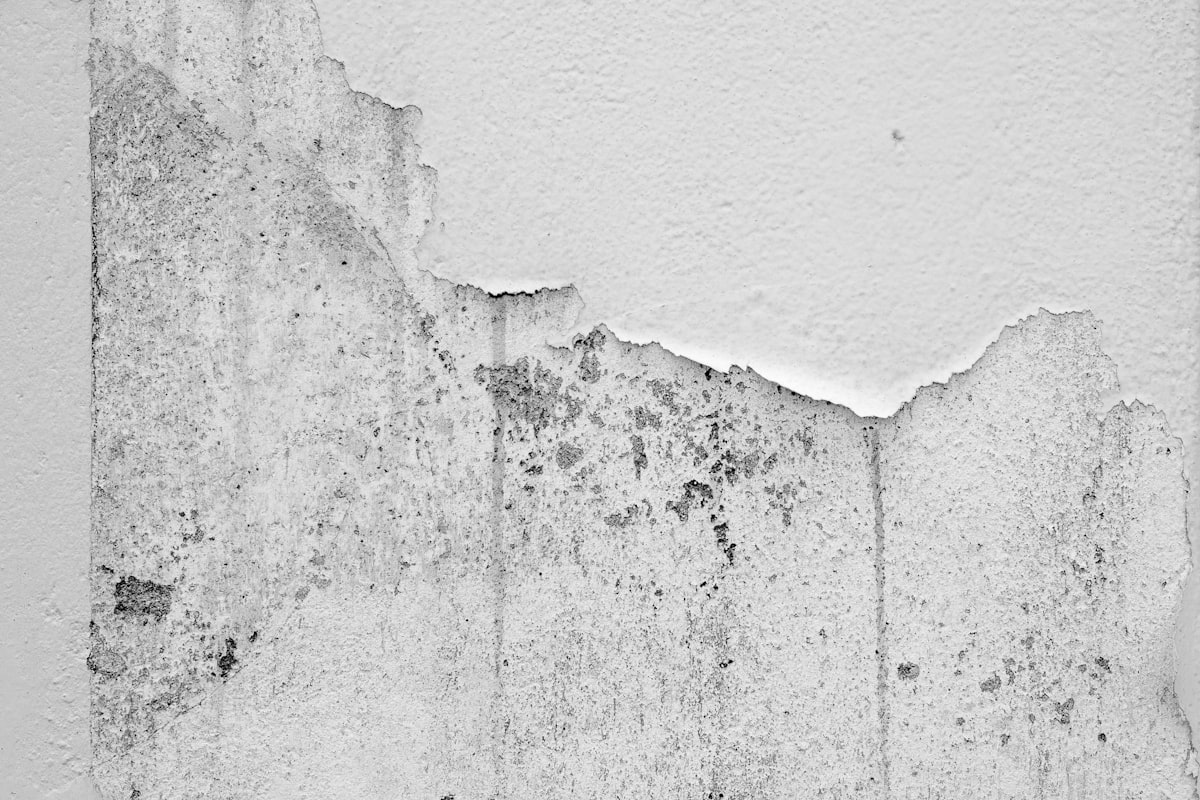
Drywall is strong enough to form the walls of a house and fragile enough to punch a hole through with a doorknob. This fundamental contradiction means that every homeowner, at some point, needs to learn drywall repair. The doorknob that swung too hard. The shelf anchor that pulled out and took a chunk of wall with it. The mysterious crack that appeared over the winter. The nail pops that showed up two years after the house was built.
A handyman charges $75-$200 per hole depending on size. A drywall repair kit from the hardware store costs $10-$20. The skills involved are not complicated — they’re just messy and require patience with drying times. If you can spread butter on toast, you can patch drywall. The finishing (making it invisible) takes practice, but even a mediocre patch job disappears under a coat of paint if the surface is reasonably flat.
Key Takeaways
- Small holes (under 1/2 inch) need only spackle and a putty knife. This is a 5-minute fix.
- Medium holes (1/2 inch to 3 inches) use a self-adhesive mesh patch. Fifteen minutes of work, an hour of drying, and a sanding step.
- Large holes (3 inches to 12+ inches) require a drywall patch. The “California patch” or backing strip method produces a professional-quality repair. Thirty minutes of work plus drying time.
- Sanding and feathering are what make the repair invisible. The patch itself is the easy part. The finishing is where the skill lives.
- Multiple thin coats beat one thick coat. Thick applications of joint compound shrink, crack, and leave visible ridges. Two or three thin coats, sanded between, create a flawless surface.
Tools and Materials
For small repairs (nail holes, screw holes):
- Lightweight spackle (DAP DryDex, $6-$8 for a tub that lasts years)
- 2-inch putty knife
- 220-grit sandpaper or sanding sponge
For medium repairs (up to 3 inches):
- Everything above, plus:
- Self-adhesive mesh drywall patch ($3-$5 each, available in 4x4, 6x6, and 8x8 inch sizes)
- 6-inch drywall knife (wider than a putty knife, for feathering)
- Pre-mixed all-purpose joint compound (a quart-sized tub, $5-$8)
For large repairs (3 inches and up):
- Everything above, plus:
- Scrap piece of drywall (same thickness as the wall — typically 1/2 inch)
- Drywall saw (a keyhole/jab saw, $5-$8) or a utility knife
- Setting-type joint compound (“hot mud” — 20-minute or 45-minute) for the first coat
- Paper drywall tape ($3 for a roll)
- 10-12 inch drywall taping knife
- Sanding pole with 150-grit screen (for large patches)
Optional but helpful:
- Drop light or work light angled against the wall surface (reveals imperfections during sanding)
- Spray texture can ($8-$12) if your walls have orange peel or knockdown texture
Small Repairs: Nail Holes and Minor Dents
These are the most common repairs and the easiest. Every picture that gets moved, every shelf that gets relocated, every drywall anchor that gets removed leaves a small hole.
Nail and Screw Holes (Under 1/4 Inch)
Step 1: If there’s a bump or raised edge around the hole (common with pulled drywall anchors), press it flat with the handle of your putty knife. You want the surface around the hole to be flush or slightly recessed.
Step 2: Load a small amount of spackle onto the corner of your 2-inch putty knife. Press it into the hole, then scrape the knife flat across the surface, leaving a thin layer over the hole. The goal is to fill the hole flush with the surrounding wall — not to leave a mound.
Step 3: Let it dry. DAP DryDex is pink when wet and turns white when dry (30-60 minutes). Other spackles take 1-2 hours.
Step 4: Lightly sand with 220-grit sandpaper until smooth and flush. Run your palm across the surface — you shouldn’t feel the patch.
Step 5: Touch up with paint. Small patches often need only a dab of the wall colour applied with a small roller or brush. See our painting guide for colour matching tips.
Screw Pops
Screw pops are raised bumps or small cracks where drywall screws push outward from the stud. They’re caused by lumber shrinkage (the stud dries and moves after the house is built) or by screws that weren’t driven deep enough originally. They’re extremely common in newer homes.
Fix: Drive a new drywall screw 1-2 inches above or below the popped screw, sinking it just below the paper surface without breaking through the paper. Then drive the original popped screw back in (or remove it if it won’t hold). Spackle over both the old and new screw heads. Sand and paint.
Dent or Ding (No Hole, Just a Depression)
If the paper face of the drywall is intact but the surface is dented (doorknob impact, furniture bump), simply spackle the depression, let it dry, and sand flush. No mesh or patch needed — the intact paper provides the backing.
Medium Repairs: Self-Adhesive Mesh Patch (1/2 Inch to 3 Inches)
For holes larger than a screw hole but smaller than your fist, a self-adhesive mesh patch is the fastest, most reliable fix.
Steps
Step 1: Clean the area around the hole. Remove any loose drywall, torn paper, or debris. The wall surface around the hole should be smooth and clean for 2-3 inches in every direction.
Step 2: Peel the backing off the mesh patch and centre it over the hole. Press it firmly onto the wall. The adhesive holds it in place. The mesh should be completely flat — no wrinkles or lifted edges.
Step 3: Apply joint compound over the mesh patch using a 6-inch drywall knife. Spread a thin, even layer that covers the mesh completely and extends 2-3 inches beyond the patch edges in all directions. This feathering — the gradual thinning of compound from the centre to the edges — is what makes the repair invisible. Press firmly enough that the compound is thin but still covers the mesh weave.
Step 4: Let it dry completely (2-4 hours for pre-mixed compound, faster for setting-type).
Step 5: Sand lightly with 150-220 grit. Don’t sand into the mesh — just smooth the surface. Wipe away dust with a damp rag.
Step 6: Apply a second coat. This coat should be thinner than the first and extend slightly farther beyond the patch edges. The goal is to build up a smooth, level surface that feathers imperceptibly into the surrounding wall.
Step 7: Dry, sand, dust, and evaluate. If you can still see or feel the patch edges, apply a third thin coat with even wider feathering. Two coats is usually sufficient for small patches; three is common for patches in the 2-3 inch range.
Step 8: Prime and paint. Bare joint compound absorbs paint differently than the surrounding painted wall (it’s more porous). Spot-prime the patch with a primer like Zinsser Bulls Eye 1-2-3 before painting. Without primer, the patch will “flash” — appear as a dull or shiny spot in the paint.
Large Repairs: The California Patch (3 Inches and Up)
This is the technique professionals use for holes too large for a mesh patch. It creates a strong, flush repair that’s indistinguishable from the original wall after finishing. The “California patch” (also called a “butterfly patch” or “hot patch”) uses a piece of drywall itself as both the patch and the backer.
How It Works
You cut a piece of drywall larger than the hole, then score the back so the gypsum core is removed from the edges while the face paper remains intact. The gypsum core fits into the hole, and the face paper overlaps onto the surrounding wall, creating built-in taping that produces an incredibly clean repair.
Steps
Step 1: Square the hole. Using a drywall saw or utility knife, cut the hole into a clean rectangle or square. This gives you a regular shape to patch. Make the cuts clean and straight.
Step 2: Measure the squared hole. Cut a piece of scrap drywall 2 inches larger than the hole in both dimensions. For a 4x4-inch hole, cut a 6x6-inch patch.
Step 3: On the back of the patch, score the drywall 1 inch from each edge on all four sides. You’re cutting through the back paper and into the gypsum core, but not through the front paper. Snap the gypsum at each score line and peel the gypsum and back paper away from the front paper along those margins. You should now have a piece with a gypsum core the size of the hole and a 1-inch paper flange on all sides.
Step 4: Test-fit the patch in the hole. The gypsum core should fit snugly inside the squared hole, with the paper flanges lying flat against the surrounding wall. Trim if needed — the fit doesn’t have to be perfect, but the gypsum shouldn’t be larger than the hole.
Step 5: Apply a thin layer of joint compound around the hole on the wall surface (where the paper flanges will sit).
Step 6: Press the patch into the hole. Smooth the paper flanges outward onto the wall, pressing them into the wet compound. Use your drywall knife to smooth the flanges flat and squeeze out excess compound. The patch should sit flush with the surrounding wall.
Step 7: Apply a coat of joint compound over the entire patch, including the flanges. Feather the edges 4-6 inches beyond the patch in all directions. Use a 10-12 inch taping knife for wide, smooth strokes.
Step 8: Dry, sand, second coat, dry, sand. Same rhythm as the mesh patch, but with wider feathering to blend the larger repair. Three coats are standard for large patches.
Alternative: Backing Strip Method
For holes where the California patch isn’t practical (irregular shapes, holes near corners or outlets), the backing strip method works.
Step 1: Cut a piece of thin plywood, 1/4-inch luan, or even a paint stirrer that’s 2-3 inches longer than the hole but narrow enough to fit through the opening.
Step 2: Hold the strip behind the wall, centred behind the hole. Using a cordless drill/driver, drive drywall screws through the wall surface into the strip on both sides of the hole, pulling the strip tight against the back of the existing drywall. The strip now bridges the hole from behind, providing a surface to screw or glue the patch to.
Step 3: Cut a drywall patch that fits the hole as precisely as possible. Insert it and screw it to the backing strip.
Step 4: Tape the seams with paper drywall tape embedded in joint compound. Paper tape (not mesh) is essential for this step — mesh tape isn’t strong enough over a full seam and is more prone to cracking.
Step 5: Apply compound, feather, dry, sand, repeat. Three coats minimum for a seamless result.
Safety note: Before cutting into any wall, check for electrical wires and plumbing. Use a stud finder with wire detection ($25-$40) to scan the area around the hole. If you see wires or pipes inside the wall cavity through the hole, proceed with extreme caution or call a professional. Cutting into a live wire is a genuine electrocution risk.
Cracks: When to Worry and How to Fix Them
Not all drywall cracks are equal. Some are cosmetic (seasonal movement, settling); others signal structural problems that need professional evaluation.
Hairline Cracks (Cosmetic)
Thin cracks along seams, in corners, or around door and window frames are almost always caused by normal seasonal expansion and contraction of the house framing. They’re not structural concerns.
Fix: Apply a thin bead of paintable latex caulk (not spackle — spackle is rigid and re-cracks in flex points). Smooth with a wet finger. Paint over after drying. Caulk stays flexible and absorbs future movement.
Wider Cracks (Over 1/8 Inch) or Recurring Cracks
Cracks that are wider than 1/8 inch, that reappear after repair, or that show displacement (one side is higher than the other) may indicate foundation settlement, structural movement, or water damage. A diagonal crack running from the corner of a window or door frame toward the ceiling is the classic sign of foundation settlement.
When to call a professional: Cracks wider than 1/4 inch, cracks that grow noticeably over weeks/months, cracks with visible displacement, or cracks accompanied by sticking doors/windows. A structural engineer ($300-$600 for an assessment) can determine whether the cracking is cosmetic or structural.
Drywall Tape Failure
If a drywall joint tape is bubbling, peeling, or cracking, the original installation failed — either the tape wasn’t embedded in enough compound, moisture loosened the adhesive, or the house moved enough to separate the tape from the surface.
Fix: Cut away the failed tape. Scrape any loose compound. Re-tape with new paper tape embedded in a bed of joint compound. Apply compound over the tape, dry, sand, second coat, dry, sand. This is the same process as original drywall finishing — you’re just redoing a small section.
Matching Texture
Smooth walls are easy to match — sand the repair flat and paint. But textured walls (orange peel, knockdown, skip trowel) require matching the texture on the patch to the surrounding wall, and this is where many DIY repairs become visible.
Orange Peel Texture
The most common wall texture. It looks like the surface of an orange — fine, uniform bumps. Match it with:
- Spray can texture: Homax Orange Peel Wall Texture ($8-$12 per can). Practice on cardboard first — the spray distance and speed determine the texture size and density. Hold the can 12-18 inches from the wall and apply in light, overlapping passes.
- Diluted joint compound through a roller: Mix joint compound to a thick cream consistency, roll it on with a thick-nap roller cover, and let it set up slightly before lightly flattening with a drywall knife. This takes practice.
Knockdown Texture
Larger, flattened splatter texture. Applied by spraying joint compound and then lightly dragging a wide knife across the peaks after 10-15 minutes to flatten them. Again, practice on a scrap surface first. Homax also makes a knockdown spray texture product.
Skip Trowel
An irregular, Mediterranean-style texture applied with a curved knife. This is the hardest to match because it’s inherently random and hand-applied. A large patch in a skip-trowel wall may be worth calling a drywall finisher ($100-$200) to texture-match.
The Lighting Trick
After applying texture and paint, shine a work light at a sharp angle across the repaired area. This “raking light” reveals every imperfection in the texture match. Adjust while the texture is still workable or after it dries by sanding and reapplying. Check from multiple angles — the light angle that reveals imperfections to you is the same angle that will reveal them to visitors.
Frequently Asked Questions
Can I use spackle instead of joint compound for larger patches?
For holes under 1/2 inch, spackle is fine — it’s lighter, dries faster, and sands easier. For anything larger, use joint compound. Spackle isn’t strong enough to bridge a mesh patch or tape joint without cracking. It also shrinks more than joint compound in thick applications, which creates depressions that require additional coats. Use spackle for nail holes and surface dings; use joint compound for anything involving mesh, tape, or buildup over 1/8 inch.
How do I fix a large hole near a corner or edge?
Corner repairs are trickier because you need to rebuild the corner bead (the metal or vinyl strip that creates the sharp corner edge). If the corner bead is damaged, remove the damaged section with tin snips, install a new piece, and mud over it. If only the drywall adjacent to the corner is damaged, patch the flat section as described above and use a corner trowel to rebuild the compound in the corner. For outside corners, a corner bead patch (available at hardware stores) simplifies the repair.
What’s the difference between setting compound and pre-mixed compound?
Setting compound (“hot mud” — sold as powder that you mix with water) hardens through a chemical reaction in 20, 45, or 90 minutes depending on the product. It’s stronger, shrinks less, and can be recoated without waiting hours. Use it for the first coat on large patches and for embedding tape. Pre-mixed compound (sold in tubs, ready to use) dries by evaporation and takes 2-4 hours per coat. It’s easier to sand and better for finish coats. Many professionals use setting compound for the first coat and pre-mixed for the second and third.
My entire wall has multiple holes and damage. Should I replace the whole sheet?
If more than 25-30% of a sheet (4x8 or 4x12) is damaged, replacing the entire sheet is often faster and produces a better result than patching multiple areas. A sheet of 1/2-inch drywall costs $12-$18. Hanging it takes 15-20 minutes. The finishing (tape, compound, sand) takes several hours spread over 2-3 days. For a single wall in bad shape, full replacement is reasonable. For scattered damage across multiple walls, individual patches are more practical.
How do I hide a repair when I can only touch up paint (not repaint the whole wall)?
Spot-painting a drywall repair without visible edges is the hardest part of the whole process. The trick: prime the repair first (so it absorbs paint evenly), then roll the touch-up paint lightly from the patch outward, feathering the edges into the existing paint. Use the same roller nap as the original paint job. If the existing paint is more than a year old, even colour-matched paint will look slightly different due to fading. In high-visibility areas, repainting the entire wall from corner to corner (not just the patch area) is the only way to guarantee an invisible repair.