Iron deficiency is the most common nutritional deficiency in the world. The WHO estimates it affects over 2 billion people globally. In the United States alone, about 10 million people are iron deficient, and roughly 5 million of those have iron deficiency anemia — the stage where iron stores are depleted enough that your body can’t produce adequate hemoglobin for red blood cells.
Here’s what frustrates clinicians and patients alike: iron deficiency causes symptoms long before you become anemic. Fatigue, brain fog, exercise intolerance, restless legs, hair loss — these can all show up when your iron stores (ferritin) are low but your hemoglobin is still technically normal. Countless people have been told “your blood work is fine” because their doctor only checked a complete blood count and missed the ferritin level sitting at 12.
Key Takeaways
- Iron deficiency causes symptoms (fatigue, brain fog, hair loss) well before anemia develops on standard blood tests — ferritin is the test that catches it early
- Ferritin below 30 ng/mL is functionally low in symptomatic patients, even though many lab reference ranges list 12 or even 10 as the lower limit of “normal”
- Menstruating women, vegetarians/vegans, endurance athletes, and people with GI conditions are at highest risk
- Iron supplements are poorly absorbed and notorious for GI side effects — every-other-day dosing may actually improve absorption while reducing side effects
- Vitamin C significantly enhances iron absorption; calcium and coffee/tea significantly inhibit it
How Iron Works in Your Body
Iron’s most famous role is oxygen transport. It’s the central atom in hemoglobin, the protein in red blood cells that binds oxygen in your lungs and carries it to every tissue in your body. Without enough iron, hemoglobin production drops, red blood cells become small and pale (microcytic hypochromic anemia), and your tissues are literally starved of oxygen.
But iron does far more than carry oxygen. It’s essential for mitochondrial energy production (the electron transport chain requires iron-sulfur clusters), DNA synthesis, neurotransmitter production (dopamine and serotonin pathways both need iron), thyroid hormone metabolism, and immune function. This is why iron deficiency symptoms extend well beyond “feeling tired” — they touch cognition, mood, temperature regulation, and immune defense.
Your body has no active mechanism for excreting iron. You lose small amounts through shedding of intestinal cells, skin cells, and sweat — roughly 1-2 mg per day. Menstruation adds another 1 mg per day on average over the month (more with heavy periods). Iron balance depends entirely on regulating absorption, which happens primarily in the duodenum (the first part of the small intestine) through a carefully controlled process involving the hormone hepcidin.
Total body iron is about 3-4 grams. Two-thirds of that is in hemoglobin. The rest is stored as ferritin and hemosiderin, primarily in the liver, spleen, and bone marrow. When iron intake drops or losses increase, your body draws down these stores first — this is iron depletion. Symptoms can start at this stage. Only when stores are exhausted and hemoglobin production suffers do you cross into iron deficiency anemia.
Symptoms You Might Not Connect to Iron
The classic symptoms — crushing fatigue, pallor, shortness of breath on exertion — appear when anemia is established. The subtler, earlier symptoms are the ones people live with for months or years without realizing the cause.
Relentless fatigue that sleep doesn’t fix. Not the normal tiredness of a busy life. The kind where you wake up after 8 hours and feel like you didn’t sleep at all. Where climbing a flight of stairs leaves you winded in a way it never used to. Iron-deficient fatigue has a specific quality: it’s physical, bone-deep, and resistant to rest. This kind of fatigue overlaps with sleep deprivation, but the distinguishing factor is that improving sleep doesn’t resolve it.
Brain fog and poor concentration. Iron is required for dopamine synthesis and myelin production. Low iron impairs cognitive function in ways that are measurable on neuropsychological testing. A 2007 study in The American Journal of Clinical Nutrition found that iron supplementation improved cognitive performance in iron-deficient young women, even those who weren’t anemic.
Hair loss. The relationship between iron and hair loss is well-established but the threshold isn’t agreed upon. Most dermatologists who specialize in hair loss want ferritin above 40-70 ng/mL for optimal hair growth. A ferritin of 15 — technically “normal” — may be insufficient for hair follicles. If you’re losing hair and your ferritin is below 40, iron repletion is worth pursuing before more expensive workups.
Restless legs syndrome (RLS). The urge to move your legs, especially at night, that’s relieved by movement. Iron deficiency is the most common correctable cause of RLS. Brain iron levels correlate with RLS severity, and guidelines recommend checking ferritin in all RLS patients. Treatment involves getting ferritin above 75 ng/mL, ideally above 100.
Pica. Cravings for non-food items — ice (pagophagia), dirt, starch, clay. Ice craving is particularly common and strikingly specific to iron deficiency. If you find yourself compulsively chewing ice, get your ferritin checked. The craving typically resolves within weeks of starting iron.
Cold intolerance. Iron deficiency impairs thermoregulation. You’re not imagining that you’re always cold — reduced oxygen delivery and impaired thyroid hormone conversion (iron is a cofactor for thyroid peroxidase) both contribute.
Brittle nails and koilonychia. Nails that chip, crack, or develop a spoon-shaped concavity (koilonychia) can indicate chronic iron deficiency. Koilonychia is a late finding but quite specific.
Frequent infections. Iron is necessary for immune cell proliferation and function. Chronic iron deficiency impairs both innate and adaptive immunity, making you more susceptible to infections.
Who’s at Risk?
Menstruating women. This is the single largest at-risk group in developed countries. Average menstrual blood loss requires about 1.5 mg of absorbed iron per day to replace. Women with heavy menstrual bleeding (menorrhagia) — defined as soaking through a pad or tampon every 1-2 hours, periods lasting more than 7 days, or passing clots larger than a quarter — can easily exceed their ability to absorb enough iron from diet alone. Studies suggest that 30-40% of menstruating women in developed countries have depleted iron stores.
Vegetarians and vegans. Plant-based (non-heme) iron is absorbed at roughly 2-20% efficiency, compared to 15-35% for animal-based (heme) iron. The iron in spinach, beans, and lentils is real, but phytates, oxalates, and polyphenols in plant foods further inhibit absorption. Vegetarians and vegans need roughly 1.8 times the RDA for iron to compensate. Many don’t achieve this without deliberate planning or supplementation.
Endurance athletes. Running in particular causes iron loss through foot-strike hemolysis (mechanical destruction of red blood cells), GI bleeding from exercise-induced gut ischemia, and increased iron sequestration driven by exercise-related inflammation. Up to 50% of female endurance athletes are iron deficient.
Pregnant women. Blood volume expands by 40-50% during pregnancy, and the developing fetus requires substantial iron. Iron needs roughly double during pregnancy, to about 27 mg per day. Most women can’t meet this through diet alone, which is why prenatal vitamins contain iron.
People with GI conditions. Celiac disease, inflammatory bowel disease (Crohn’s and ulcerative colitis), H. pylori infection, and chronic use of proton pump inhibitors (PPIs like omeprazole) all impair iron absorption. Crohn’s disease affecting the duodenum is particularly problematic because that’s where most iron absorption occurs.
Frequent blood donors. Each whole blood donation removes approximately 200-250 mg of iron. Regular donors — especially menstruating women who donate frequently — can become iron depleted surprisingly fast.
Understanding Your Lab Results
A ferritin level alone doesn’t tell the whole story, but it’s the most important single test.
Ferritin reflects your body’s iron stores. Here’s the problem: most lab reference ranges list the lower limit of normal somewhere between 10-20 ng/mL. These ranges are statistically derived, not clinically derived — they represent the bottom 2.5% of a population that includes many iron-depleted people. Functionally, ferritin below 30 ng/mL is where symptoms often begin, and most iron-literate physicians consider below 30 insufficient for symptomatic patients.
Ferritin is also an acute phase reactant — it rises with inflammation, infection, and liver disease. This means a “normal” ferritin in someone with an inflammatory condition might be masking true iron deficiency. In these cases, a ferritin below 100 ng/mL may actually represent depletion. Checking C-reactive protein (CRP) alongside ferritin helps interpret the result.
Serum iron and TIBC (total iron-binding capacity). Serum iron fluctuates throughout the day and after meals, making it unreliable as a standalone measure. TIBC represents the blood’s capacity to bind and transport iron; it rises when iron is low (your body makes more transporters to grab whatever iron is available). The combination — low serum iron with high TIBC — supports iron deficiency.
Transferrin saturation. Calculated as serum iron divided by TIBC. Below 20% suggests inadequate iron supply for red blood cell production. Below 16% is strongly suggestive of iron deficiency.
Hemoglobin and MCV. These are on the standard complete blood count. Hemoglobin below 12 g/dL in women or 13 g/dL in men defines anemia. MCV (mean corpuscular volume) below 80 fL indicates microcytic (small) red blood cells, the hallmark of iron deficiency anemia. But remember: these are late findings. You can be quite iron depleted with a normal hemoglobin.
Reticulocyte hemoglobin content (Ret-He or CHr). This newer test measures the iron available to the most recently produced red blood cells and can detect iron-deficient erythropoiesis earlier than traditional markers. Not all labs run it routinely, but it’s worth knowing about.
Treatment: Getting Iron Levels Back Up
Dietary Iron
There are two forms of dietary iron: heme iron (from animal sources) and non-heme iron (from plant sources). Heme iron is absorbed 2-3 times more efficiently. The richest sources:
Heme iron: beef liver (highest concentration — 5mg per 3oz serving), red meat, oysters, dark poultry meat, sardines. Non-heme iron: fortified cereals, lentils, kidney beans, tofu, spinach, dark chocolate.
Absorption enhancers: vitamin C (ascorbic acid) dramatically boosts non-heme iron absorption — by 2-3 fold in some studies. Eating citrus fruit, bell peppers, or tomatoes alongside iron-rich foods makes a real difference.
Absorption inhibitors: calcium (dairy), tannins (tea, coffee), phytates (whole grains, legumes), and polyphenols reduce iron absorption. The practical advice: don’t take iron supplements with coffee, tea, or dairy. Space them at least 1-2 hours apart.
Oral Iron Supplements
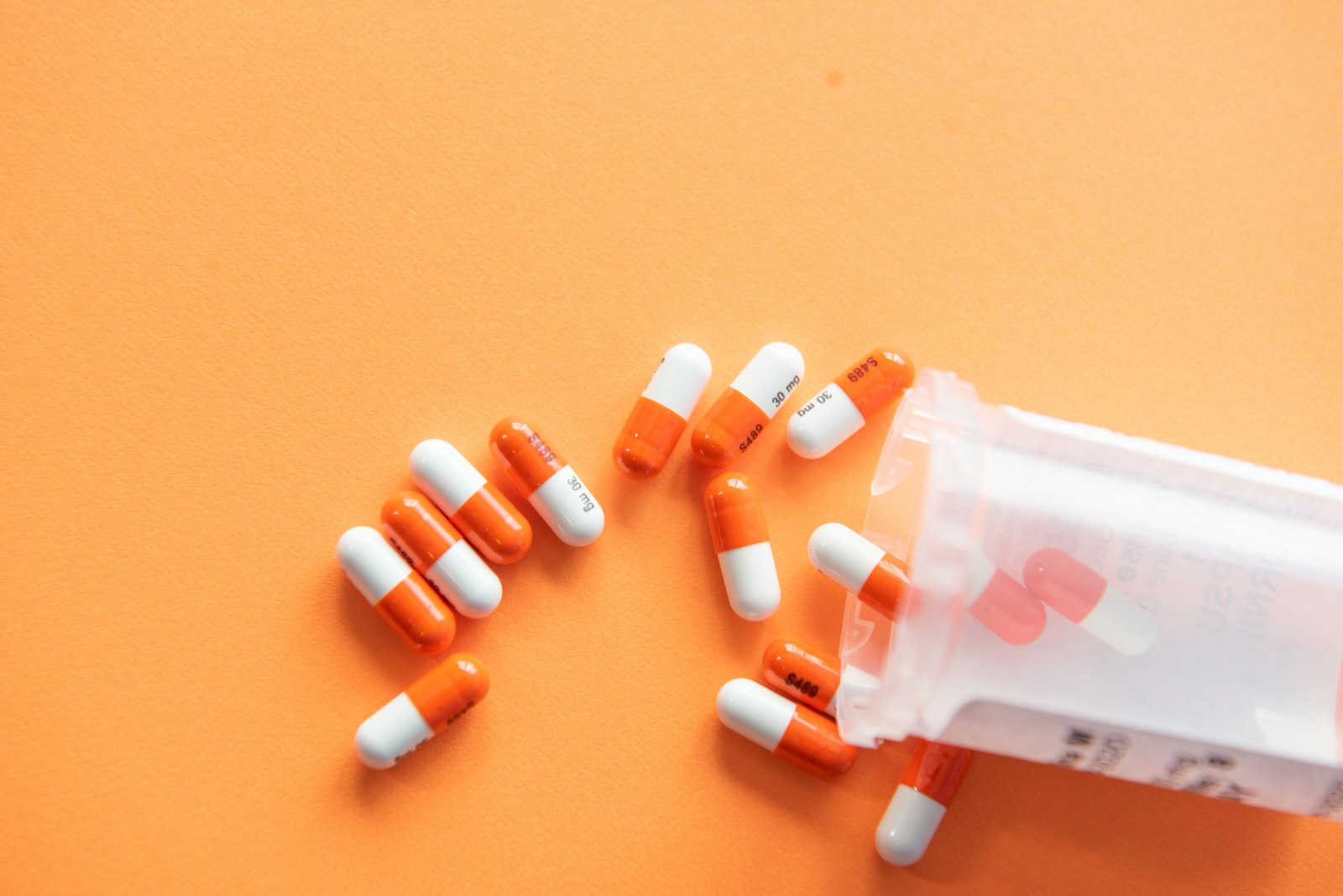
Ferrous sulfate is the most commonly prescribed form — 325mg tablets containing 65mg of elemental iron. It’s cheap, widely available, and well-studied. It also causes constipation, nausea, stomach cramps, and dark stools in a large percentage of people. These side effects are the number-one reason people stop taking iron.
Here’s a genuinely useful research finding: a series of studies from ETH Zurich published in The Lancet Haematology and Blood found that taking iron every other day produced better absorption than daily dosing. The mechanism involves hepcidin, which rises after an iron dose and stays elevated for about 24 hours, blocking absorption of the next dose. Alternate-day dosing allows hepcidin to normalize, improving the fraction of iron that’s actually absorbed. Fewer pills, better absorption, fewer GI side effects. Many iron-savvy clinicians have adopted this approach.
Alternative oral forms include ferrous gluconate (less iron per pill but better tolerated for some), ferrous bisglycinate (chelated form with good absorption and fewer GI effects but more expensive), and polysaccharide iron complex. If ferrous sulfate is intolerable, switching forms is reasonable before giving up on oral iron.
Typical repletion takes 3-6 months. Ferritin should be rechecked after 8-12 weeks of supplementation. The goal is a ferritin above 50-100 ng/mL, not just barely scraping into “normal.”
Intravenous Iron
IV iron bypasses the GI tract entirely and can replete stores in one or two infusions. It’s indicated when oral iron is intolerable, malabsorption prevents adequate oral repletion, iron losses exceed what oral supplementation can replace, or rapid correction is needed (severe anemia, upcoming surgery, late pregnancy).
Modern IV iron formulations — ferric carboxymaltose (Injectafer) and iron sucrose (Venofer) — are far safer than older preparations. Serious allergic reactions are rare (about 1 in 200,000 with newer formulations). The most common side effect of ferric carboxymaltose is transient hypophosphatemia, which can cause fatigue and bone pain in some patients.
When to See a Doctor
Get your iron levels checked if you experience:
- Persistent fatigue that doesn’t improve with adequate sleep
- Shortness of breath with activities that didn’t previously cause it
- Unexplained hair loss, especially diffuse thinning
- Compulsive ice chewing or cravings for non-food items
- Restless legs that worsen at night
- Heavy menstrual periods
- You’re vegetarian/vegan and haven’t had iron levels checked recently
Seek urgent evaluation if you develop severe shortness of breath at rest, chest pain, rapid heart rate, or lightheadedness — these can indicate severe anemia requiring immediate treatment.
Importantly: iron deficiency in men and postmenopausal women without an obvious cause (like blood donation or vegetarian diet) needs a GI evaluation. The most common cause in this group is occult GI bleeding — from ulcers, polyps, or colorectal cancer. New iron deficiency in a postmenopausal woman or any man should be assumed to be GI blood loss until proven otherwise. This is one of those clinical rules that saves lives.
Frequently Asked Questions
How long until I feel better after starting iron?
Most people notice improvement in energy within 2-4 weeks of starting supplementation, though full repletion of iron stores takes 3-6 months. If you feel no improvement after 4-6 weeks, reassess: are you absorbing the iron (check ferritin), are you taking it correctly (away from inhibitors), and is there an ongoing source of loss that’s outpacing your supplementation?
Can you take too much iron?
Yes. Iron overload (hemochromatosis) is the most common genetic disorder in people of Northern European descent, affecting about 1 in 200. Excess iron deposits in the liver, heart, and pancreas, causing organ damage. Don’t supplement iron unless you’ve confirmed deficiency with blood work. Routine iron supplementation “just in case” is not recommended for men or postmenopausal women.
Is cooking in cast iron actually helpful?
Surprisingly, yes — modestly. Cooking acidic foods (tomato sauce, for example) in cast iron leaches small amounts of iron into the food. A study in the Journal of the American Dietetic Association found increased iron content in foods cooked in cast iron, particularly acidic and high-moisture foods. It won’t replace supplementation for someone with true deficiency, but it’s a reasonable strategy for maintaining adequate intake, especially for vegetarians.
Why does my doctor keep checking my hemoglobin but not my ferritin?
Hemoglobin is part of the standard complete blood count (CBC), which is included in most routine blood work. Ferritin requires a separate order. Many physicians are still trained to equate “not anemic” with “iron sufficient,” which misses the entire spectrum of iron depletion without anemia. If you have symptoms consistent with iron deficiency, specifically request a ferritin level. You may also want to check your vitamin D at the same time — the two deficiencies often coexist and produce overlapping symptoms.
Do iron supplements interact with other medications?
Yes, significantly. Iron reduces the absorption of thyroid medications (levothyroxine), certain antibiotics (tetracyclines, fluoroquinolones), levodopa, and bisphosphonates. Conversely, antacids and proton pump inhibitors reduce iron absorption. Separate iron supplements from these medications by at least 2-4 hours. If you’re on multiple medications, discuss timing with your pharmacist — they’re often better at this than physicians.