The “eight glasses a day” rule has no scientific origin. It’s been traced back to a 1945 Food and Nutrition Board recommendation that suggested 2.5 liters of daily water intake — but the very next sentence, which stated that “most of this quantity is contained in prepared foods,” was conveniently ignored. From that incomplete reading, a health myth was born that has persisted for 80 years.
Your actual water needs depend on your size, activity level, climate, diet, health status, and a dozen other variables. A 120-pound sedentary woman in a cool climate needs dramatically less water than a 220-pound man doing construction work in Phoenix in July. Blanket recommendations are almost by definition wrong for most individuals.
That said, chronic mild dehydration is genuinely common — and its symptoms are subtle enough that most people don’t connect them to fluid intake. The goal isn’t to hit an arbitrary number of glasses. It’s to understand what your body needs, recognize when it’s not getting enough, and know when hydration becomes medically important.
Key Takeaways
- The “8 glasses a day” rule has no scientific basis — actual needs vary widely based on body size, activity, climate, and diet
- Urine color is the most practical hydration indicator: pale straw yellow means adequately hydrated; dark amber means drink more
- Thirst is a reliable signal in healthy adults but becomes less sensitive with age — older adults are at higher dehydration risk partly because their thirst mechanism deteriorates
- Most people get 20-30% of their daily water from food; fruits, vegetables, soups, and even coffee count toward fluid intake
- Electrolyte balance matters as much as water volume — drinking excessive plain water without electrolytes can cause hyponatremia, which is potentially more dangerous than mild dehydration
How Your Body Manages Water
Your body is roughly 55-60% water by weight. This isn’t static — water constantly moves between compartments (intracellular, extracellular, intravascular) and is continuously lost through urine, sweat, respiration, and stool. Your kidneys are the primary regulators, adjusting urine concentration and volume in response to hydration status.
The key hormone is antidiuretic hormone (ADH), also called vasopressin. When blood concentration increases (you’re getting dehydrated), osmoreceptors in the hypothalamus trigger ADH release from the posterior pituitary. ADH tells the kidneys to reabsorb more water, producing concentrated urine. When you’re well-hydrated, ADH decreases, and the kidneys produce dilute urine.
This system is remarkably efficient. Healthy kidneys can concentrate urine to roughly 1,200 mOsm/kg when water-deprived and dilute it to about 50 mOsm/kg when overhydrated. That’s a 24-fold range of adjustment. Your body doesn’t need you to meticulously measure water intake — it needs you to respond to thirst signals and not override them.
The thirst mechanism kicks in when blood osmolality rises by just 1-2%. This is sensitive enough to keep most healthy adults adequately hydrated without conscious effort, assuming water is accessible. The problem: thirst sensitivity decreases with age. Adults over 65 have a blunted thirst response, which is one reason older adults are disproportionately affected by dehydration.
How Much Water Do You Actually Need?
The National Academies of Sciences, Engineering, and Medicine set adequate intake (AI) levels at roughly 3.7 liters (125 oz) of total water per day for men and 2.7 liters (91 oz) for women. Critically, “total water” includes water from all sources — beverages of any kind and water contained in food. About 20-30% of total water intake comes from food for most people.
So the actual drinking water (and other beverage) target works out to roughly 100 oz for men and 70 oz for women as a baseline. But these are population-level averages, not prescriptions.
Factors that increase your needs:
Physical activity. You lose 0.5-2 liters of sweat per hour during exercise, depending on intensity, temperature, and individual sweat rate. For moderate exercise lasting under an hour, water is sufficient. For intense or prolonged exercise (over 60-90 minutes), electrolyte replacement becomes important.
Heat and humidity. Hot environments increase sweat losses substantially. Working outdoors in summer heat can require 1-2 liters per hour of fluid replacement.
Altitude. Increased respiration rate at altitude leads to greater insensible water loss. You also urinate more at altitude due to physiological adaptations. Mountain hikers and climbers need consciously more fluid than at sea level.
Illness. Fever, vomiting, and diarrhea can cause rapid fluid loss. A fever of 101 degrees F increases daily water needs by about 500 mL. Severe diarrhea can cause life-threatening dehydration within hours, particularly in children and older adults.
Pregnancy and breastfeeding. Pregnant women need about 300 mL per day more than their baseline. Breastfeeding women need significantly more — roughly 700 mL additional daily — to support milk production.
Diet. High-protein, high-sodium, and high-fiber diets all increase water needs. Conversely, diets rich in fruits and vegetables contribute substantial water. A watermelon is 92% water. A cucumber is 95%.
Signs of Dehydration Most People Miss
Severe dehydration is hard to miss — extreme thirst, dizziness, confusion, rapid heartbeat, no urine output. But mild to moderate dehydration produces subtler symptoms that people commonly attribute to other causes.
Dark urine. The simplest and most reliable self-assessment tool. Pale straw yellow indicates good hydration. Dark yellow to amber means you need more fluid. Note that certain vitamins (particularly B2/riboflavin) turn urine bright yellow regardless of hydration — this doesn’t count. Some medications and foods (beets, asparagus) also alter urine color.
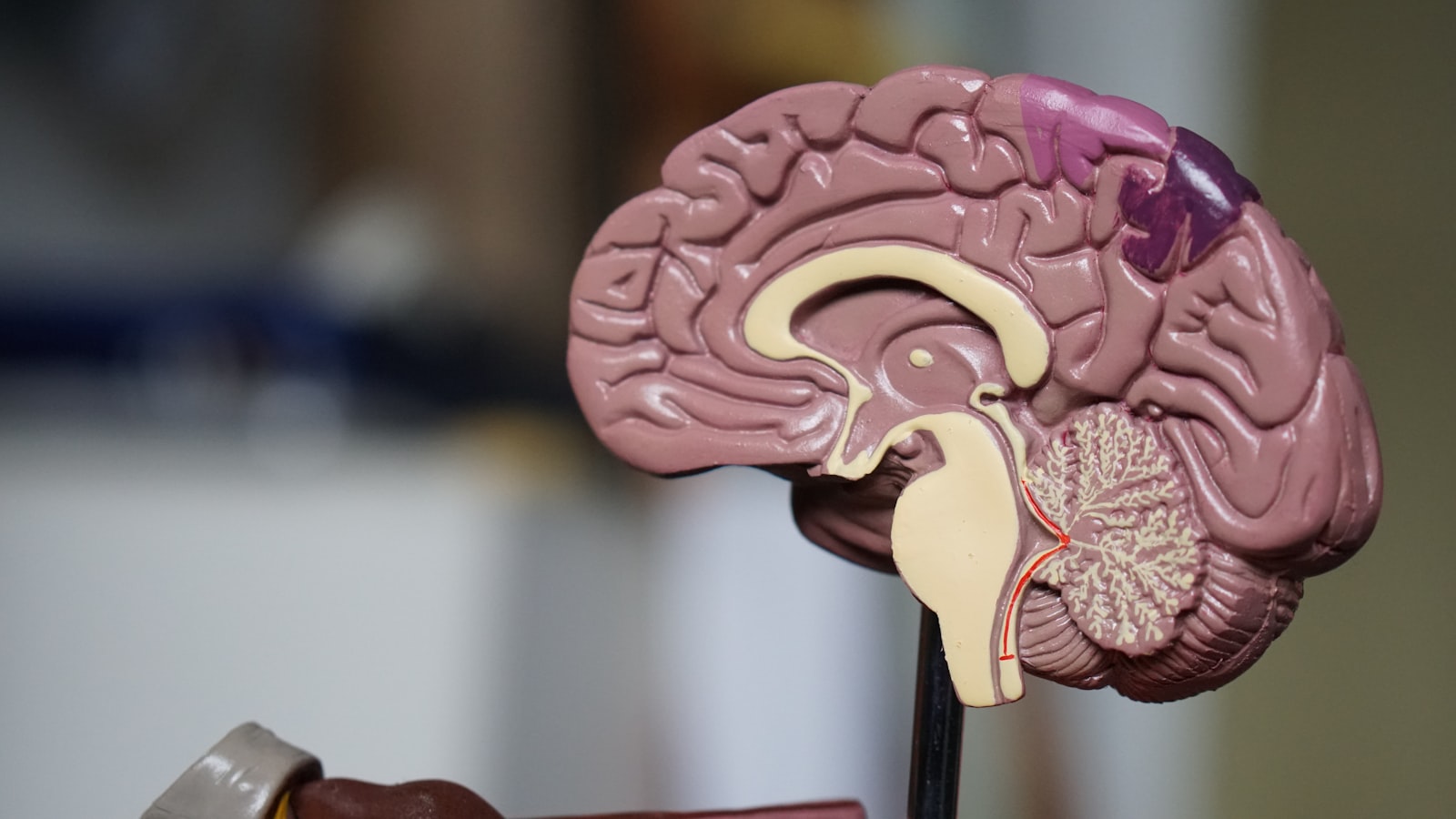
Headache. Dehydration headaches are real and common. A loss of just 1-2% of body water can trigger headaches in susceptible individuals. The mechanism involves meningeal dehydration — the brain’s protective membranes lose fluid and temporarily shrink, pulling away from the skull and triggering pain receptors. For chronic headache sufferers, ensuring adequate hydration is basic but sometimes overlooked triage. Dehydration-triggered headaches can mimic or exacerbate migraines in people prone to them.
Fatigue and poor concentration. Studies consistently show cognitive performance declines with as little as 1-2% dehydration. A 2012 study in the Journal of Nutrition found that mild dehydration in young women caused increased headaches, fatigue, difficulty concentrating, and worse mood — without any other physiological stress. You don’t need to be obviously thirsty for dehydration to affect how you think and feel.
Constipation. Insufficient fluid intake is one of the most common and most easily correctable causes of constipation. When the body is dehydrated, the colon absorbs more water from stool, making it harder and more difficult to pass. Before reaching for laxatives, many people would benefit from simply drinking more water and increasing fiber intake.
Dry mouth and bad breath. Saliva production decreases with dehydration. Since saliva has antibacterial properties that help control oral bacteria, reduced flow leads to bacterial overgrowth and bad breath.
Muscle cramps. Particularly during exercise or at night. Dehydration concentrates electrolytes, altering muscle excitability. Night cramps in the calves are not always dehydration-related (they have multiple causes), but inadequate fluid intake is a common contributor.
Dizziness when standing. Orthostatic hypotension — a blood pressure drop when moving from sitting/lying to standing — can be caused by dehydration reducing blood volume. If you feel lightheaded when you stand up, particularly in hot weather or after exercise, dehydration should be on the list.
Decreased skin turgor. If you pinch the skin on the back of your hand and it stays tented for more than a second or two before flattening, that suggests dehydration. This sign is more reliable in younger adults — older adults naturally have reduced skin elasticity, making the test less specific.
The Electrolyte Factor
Water alone isn’t the full hydration picture. Electrolytes — sodium, potassium, magnesium, chloride — are essential for fluid balance, nerve conduction, and muscle function. Drinking large volumes of plain water without adequate electrolytes can dilute blood sodium, a condition called hyponatremia.
Hyponatremia is not a theoretical risk. It has killed marathon runners and military recruits who aggressively overhydrated with plain water during prolonged exertion. Symptoms range from nausea, headache, and confusion (mild) to seizures, coma, and death (severe). Exercise-associated hyponatremia occurs when athletes drink more than they sweat, diluting blood sodium. Smaller-bodied individuals and slower runners (who are on the course longer and have more opportunity to drink) are at higher risk.
For everyday hydration, a normal diet provides adequate electrolytes. You don’t need electrolyte supplements for casual activity. But during prolonged exercise (over 60-90 minutes), heavy sweating, or illness with vomiting/diarrhea, electrolyte replacement matters.
Sports drinks (Gatorade, etc.) contain electrolytes but also significant sugar — 34 grams in a 20-oz bottle. For most people doing moderate exercise, the sugar is unnecessary calories. Sugar-free electrolyte tablets or packets (Nuun, LMNT, Drip Drop) provide electrolytes without excess sugar. For severe dehydration from illness, oral rehydration solutions (Pedialyte, WHO ORS) are specifically formulated with the optimal ratio of sodium, glucose, and water for maximal intestinal absorption.
Sodium is the most important electrolyte for hydration. It drives water absorption in the intestine and water retention in the kidneys. This is why very low-sodium diets can paradoxically impair hydration — your kidneys excrete more water when sodium intake is very low. It’s also why salty foods make you thirsty (your body needs more water to maintain sodium concentration).
Potassium works in concert with sodium. The standard Western diet is often low in potassium relative to sodium. Potassium-rich foods — bananas, potatoes, avocados, leafy greens — support hydration and counterbalance the blood pressure effects of excess sodium. This connects to cardiovascular health in meaningful ways.
Magnesium is lost in sweat and involved in muscle relaxation. Chronic mild magnesium deficiency is common and can contribute to muscle cramps, fatigue, and poor sleep.
Common Myths About Hydration
“Coffee and tea dehydrate you.” No. While caffeine is a mild diuretic, the water in caffeinated beverages more than compensates for the diuretic effect. A 2014 study in PLOS ONE found no significant difference in hydration status between subjects drinking coffee and those drinking equal amounts of water. Your morning coffee counts toward fluid intake. Six espressos is a different conversation, but normal caffeine consumption is not dehydrating.
“You need to drink before you’re thirsty.” For most healthy adults, thirst is an adequate guide. This advice originated in military and athletic contexts where deliberate hydration strategies are appropriate — environments with high exertion and limited water access. For someone sitting at a desk, it’s unnecessary. The exception is older adults (blunted thirst) and children (who may ignore thirst during play).
“Clear urine means you’re well-hydrated.” Clear, colorless urine actually means you’re overhydrated — you’re drinking more than you need and your kidneys are dumping the excess. The goal is pale straw yellow, not clear.
“You can’t drink too much water.” You absolutely can. Water intoxication (hyponatremia) is real and can be fatal. It’s uncommon in normal circumstances but occurs with compulsive water drinking (sometimes psychiatric in origin), certain medications (MDMA increases ADH and thirst simultaneously), and aggressive hydration during endurance events.
“Sparkling water doesn’t hydrate as well as still water.” It hydrates identically. The carbonation has no effect on water absorption. A 2016 randomized trial in the American Journal of Clinical Nutrition confirmed no difference in hydration between still and sparkling water.
Special Populations
Older Adults
Dehydration is one of the most common causes of hospitalization in adults over 65. The combination of decreased thirst sensitivity, reduced kidney concentrating ability, medications (diuretics, laxatives), and sometimes cognitive impairment creates a perfect storm. Practical strategies: keep water visible and accessible, drink with meals as a routine, monitor urine color, and use foods with high water content (soups, fruit, yogurt).
Children
Children are more vulnerable to dehydration because of their higher metabolic rate and surface-area-to-volume ratio. They also may not recognize or communicate thirst effectively. During play and sports, regular water breaks should be built into the schedule rather than relying on children to ask. During illness with vomiting or diarrhea, dehydration can develop quickly — oral rehydration solution should be started early.
Athletes
Sweat rates vary enormously — from 0.5 to 2.5 liters per hour, depending on the individual, exercise intensity, and environmental conditions. The best approach is individualized: weigh yourself before and after exercise. Each pound lost represents approximately 16 oz (500 mL) of fluid deficit. Aim to replace 125-150% of fluid lost during the next few hours. For exercise lasting over 60-90 minutes, include electrolytes. Don’t overdrink — match intake to losses.
People on Medications
Diuretics (for blood pressure), lithium, SGLT2 inhibitors (for diabetes), and laxatives all increase fluid losses. If you’re on any of these medications, your water needs are higher than average, and monitoring hydration becomes more important.
When to See a Doctor
Seek medical attention if you or someone else shows signs of moderate to severe dehydration:
- Very dark urine or no urine output for 8+ hours
- Rapid heartbeat at rest
- Confusion, irritability, or excessive drowsiness
- Sunken eyes
- Inability to keep fluids down (persistent vomiting)
- Diarrhea lasting more than 24 hours with inability to replace fluids orally
- Signs of heat exhaustion or heat stroke: body temperature above 103 degrees F, hot and dry skin, confusion
In children, seek care for: dry mouth and tongue, no tears when crying, no wet diapers for 3+ hours, sunken soft spot (fontanelle), and listlessness.
For most healthy adults, mild dehydration resolves quickly with oral fluid intake. But in vulnerable populations — elderly, very young, chronically ill — dehydration can escalate rapidly and may require intravenous fluids.
Frequently Asked Questions
How much water should I drink to lose weight?
Water itself doesn’t directly cause fat loss. However, drinking water before meals can reduce calorie intake — a 2010 study in Obesity found that adults who drank 500 mL of water before meals lost 44% more weight over 12 weeks than those who didn’t. The mechanism is simply feeling fuller. Replacing caloric beverages (soda, juice, sweetened coffee) with water also creates a meaningful calorie deficit. But “drinking more water to lose weight” without addressing overall diet and activity is unlikely to move the needle.
Is alkaline water better for you?
There is no credible evidence that alkaline water provides health benefits beyond regular water. Your body tightly regulates blood pH between 7.35 and 7.45 regardless of what you drink. The stomach acid (pH 1.5-3.5) immediately neutralizes any alkalinity in water you consume. Alkaline water is expensive regular water. Save your money.
Can dehydration cause kidney stones?
Yes, and this is one of the strongest evidence-based reasons to maintain adequate hydration. Low urine volume concentrates minerals (calcium, oxalate, uric acid) and increases crystallization risk. The American Urological Association recommends producing at least 2.5 liters of urine per day (requiring roughly 3+ liters of fluid intake) for people with a history of kidney stones. A 2015 meta-analysis confirmed that increased fluid intake reduces kidney stone recurrence by roughly 60%.
Do I need to drink more water if I eat a lot of salt?
Yes. Sodium intake increases water needs because the kidneys need additional water to excrete the excess sodium while maintaining blood osmolality. High-salt meals trigger thirst for exactly this reason — your body is telling you to restore the sodium-water balance. If your diet is consistently high in sodium, your baseline water needs are higher. Conversely, reducing sodium intake slightly reduces water requirements.
How can I tell if my child is dehydrated?
In infants and young children, look for: fewer wet diapers than usual (fewer than 6 per day in infants), dry or sticky mouth, no tears when crying, sunken eyes or fontanelle (soft spot), lethargy or unusual irritability, and decreased skin elasticity. Older children may show dark urine, headache, dizziness, and dry lips. During illness, weigh the child — weight loss during acute illness is primarily water loss and indicates the degree of dehydration.