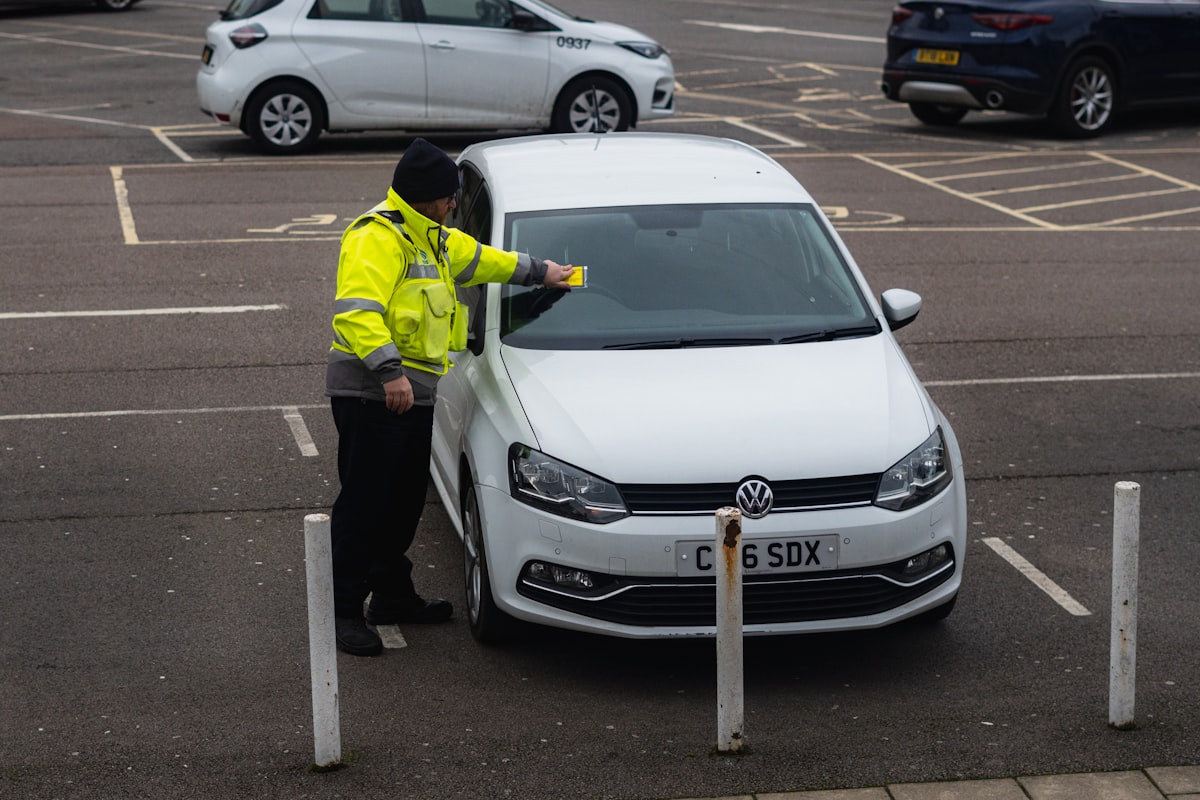
The fine printed on a speeding ticket is the smallest number involved. The real cost shows up months later, on your car insurance renewal, when your premium jumps 20% or more — and stays elevated for years. For a typical US driver paying around $2,000 a year for full coverage, a single speeding ticket can quietly add $1,200 to $2,000 in extra premiums before it finally ages off your record.
Understanding exactly how insurers find out about tickets, how much they raise rates, and how long the damage lasts changes the math on every ticket you receive. It often turns “just pay it and move on” into a costly mistake. Here is how the system works — and the legitimate ways to blunt the hit. Because insurance is regulated state by state, the specifics vary depending on where you live.
Key Takeaways
- A single speeding ticket raises car insurance premiums by roughly 20-25% on average in the US, though the exact increase varies by state, insurer, and how fast you were going
- Insurers find out about tickets by pulling your motor vehicle record (MVR), typically when you renew, switch companies, or apply for a new policy — not the day you are convicted
- Most insurers surcharge a ticket for 3 to 5 years, even though the underlying conviction may stay on your state driving record longer
- State law matters enormously: California bars insurers from using a violation dismissed through traffic school, while North Carolina’s Safe Driver Incentive Plan mandates specific surcharge percentages
- Defensive driving courses, deferred adjudication, and negotiating a ticket down to a non-moving violation are the three most reliable ways to protect your rates
How Insurance Companies Find Out About Your Ticket
Insurers do not get an alert the moment a judge convicts you. They learn about violations by ordering your motor vehicle record (MVR) from your state’s DMV. Each pull costs the insurer a small fee, so most companies check MVRs at specific moments rather than continuously.
The most common trigger points are policy renewal, applying for a new policy, adding a driver or vehicle, and shopping for quotes with a new carrier. Some insurers only re-check records every other renewal cycle for long-standing customers with clean histories. That is why some drivers see no increase for a year or more after a ticket — the insurer simply has not looked yet.
Do not mistake a delay for a free pass. Once the conviction is on your MVR, it will surface at some point during the surcharge window. Hiding a ticket is not an option either: intentionally misrepresenting your record on an application can be grounds for denial of a claim or cancellation of the policy in many states.
One quiet exception works in your favor. Camera-issued citations (red light and speed cameras) are treated like parking tickets in many states — no points, no MVR entry, and therefore no insurance impact. Whether that applies to you depends entirely on state and local law, so verify before assuming.
What a Speeding Ticket Costs in Premium Increases
According to Bankrate’s 2024 analysis of rate data, a single speeding ticket raises full-coverage premiums by roughly 20-25% on average nationwide. Zebra and NerdWallet analyses from the same period land in a similar range. On the average US full-coverage premium (roughly $2,300-$2,500 per year in 2024-2025 data), that is an extra $450-$600 annually.
Severity matters. Insurers generally price tickets in tiers:
- 1-10 mph over the limit — often the smallest surcharge, and some insurers forgive a first minor offense entirely
- 11-15 mph over — a mid-tier increase, commonly in the 20% range
- 16-29 mph over — larger surcharges, often 25-30%
- 30+ mph over or excessive speed — may be charged as reckless driving in some states, which can raise premiums 60-80% or trigger non-renewal
Your starting profile shapes the outcome too. A driver with a prior at-fault accident or a second ticket will see a steeper percentage jump than a driver with a decade-long clean record. Young drivers get hit hardest in dollar terms because their base premiums are already high — a point worth remembering if you are already fighting the money mistakes common in your 20s and 30s.
There is a second-order cost as well. A ticket can disqualify you from good-driver discounts, which run 10-25% at many carriers. Losing the discount stacks on top of the surcharge itself, which is why the total impact sometimes exceeds the headline percentage.
The Surcharge Timeline: How Long a Ticket Affects Your Rates
Most insurers surcharge a violation for 3 to 5 years from the conviction date, with 3 years being the most common look-back for a minor speeding ticket. This is a separate clock from how long the ticket stays on your state driving record, which can be longer.
A few reference points illustrate the spread. In California, a standard violation point counts against you for roughly 39 months, and insurers apply good-driver rules around that window. Virginia keeps speeding convictions on the record for 5 years, though demerit points age off in 2 years. North Carolina’s Safe Driver Incentive Plan (SDIP) assigns insurance points that affect premiums for the 3-year experience period.
The practical takeaway: the increase is not permanent, and it usually fades in steps rather than all at once. Many carriers weight recent violations more heavily, so year three of a surcharge is often cheaper than year one. Mark the conviction date on your calendar — once you cross the 3-year line, re-shopping your policy frequently pays off.
If you pick up a second ticket during the surcharge window, the math compounds. Two violations within 3 years move you out of “preferred” pricing at most carriers, and some will non-renew the policy. That escalation risk is one of the strongest arguments for fighting a traffic ticket rather than paying it when you already have one on your record.
State Differences That Change the Math
Insurance is regulated at the state level, and laws vary by state in ways that directly change what a ticket costs you. Treat every general number in this article as a starting point, not a guarantee for your situation.
A few notable examples as of 2025:
- California — Proposition 103 requires rates to be based primarily on driving record, and completing traffic school for an eligible violation keeps the point masked from insurers
- North Carolina — the SDIP sets standardized surcharge percentages by conviction type, so the increase is largely dictated by regulation rather than insurer discretion
- Massachusetts — the Safe Driver Insurance Plan adds surcharge points per violation that adjust premiums up or down on a defined schedule
- New York — completing a Point and Insurance Reduction Program (PIRP) course entitles you to a 10% liability and collision premium reduction for 3 years
- Hawaii — insurers generally cannot rate based on age or length of driving experience, which shifts how violations flow through to price
States also differ on whether a plea to a lesser offense helps. In many states, negotiating a speeding charge down to a non-moving violation (such as defective equipment) keeps it off the rating radar entirely. Check how your state’s DMV codes the reduced charge before assuming it is invisible to insurers, and consider consulting a licensed attorney in your state for anything beyond a routine ticket.
Ways to Keep a Ticket From Raising Your Rates
You have more options than paying the fine and absorbing the surcharge. Most of them must be exercised early — often before you pay, because payment is treated as a guilty plea in most jurisdictions.
Traffic school or a defensive driving course. Many states let eligible drivers complete a state-approved course to mask the violation or remove points, typically once every 12 to 18 months. Courses cost about $20-$100 and take 4-8 hours online. This is usually the highest-value move for a first minor offense.
Deferred adjudication or probation-before-judgment. Some states (Texas is a well-known example) allow you to pay a court fee and stay violation-free for a probation period, after which the ticket is dismissed and never becomes a conviction. Eligibility rules vary by state and court, and CDL holders are typically excluded.
Contest the ticket or negotiate a reduction. Roughly half of drivers who show up to contest a ticket get a dismissal or reduction, and a plea to a non-moving violation usually eliminates the insurance impact. Our pillar guide on when it is worth fighting a ticket and how to win walks through the process step by step.
Hire a traffic attorney for higher-stakes tickets. For fast speeds, possible reckless-driving charges, or CDL situations, a lawyer’s fee is often small compared with the multi-year insurance cost. See our breakdown of when a traffic ticket lawyer is worth the money.
Ask about forgiveness programs. Some insurers offer minor-violation forgiveness for a first offense or for long-tenured customers. It never hurts to ask before the renewal prices in the ticket.
Remember that the surcharge tracks convictions and, in most states, the points attached to them. Understanding how license points work helps you predict whether a given ticket will actually move your premium.
Shopping for Coverage After a Ticket
If the surcharge has already landed, comparison shopping is your best remaining lever. Insurers weight violations very differently — the same ticket might add 15% at one carrier and 35% at another. Getting quotes from at least three companies after a rate increase routinely uncovers meaningful savings.
Be honest on every application. All carriers will pull your MVR anyway, and a quote based on a hidden ticket will simply be re-priced upward at binding. What you are shopping for is the insurer whose rating model treats your specific violation most gently.
Consider adjusting the policy itself while you wait out the surcharge. Raising the collision deductible, dropping duplicate coverages, and bundling home or renters insurance can offset much of a ticket surcharge. If you are also financing a vehicle, insurance cost belongs in the purchase decision — it is one of the recurring car buying mistakes that inflate ownership costs people overlook.
Finally, set a reminder for the 3-year mark after the conviction. Once the violation ages out of the insurer’s look-back window, re-shop again. Drivers who never re-quote after a clean-up often keep paying ticket-era rates for years longer than necessary.
Frequently Asked Questions
How much does a speeding ticket increase insurance?
On average, one speeding ticket raises full-coverage premiums by about 20-25% in the US, based on 2024 rate analyses from Bankrate and similar sources. The exact increase depends on your state, insurer, speed over the limit, and prior record. Minor first offenses may be forgiven entirely by some carriers, while excessive speed charged as reckless driving can raise rates 60% or more.
How long does a speeding ticket affect my insurance rates?
Most insurers surcharge a ticket for 3 to 5 years from the conviction date, with 3 years being the most common window for minor speeding. The conviction may remain on your state driving record longer, but insurers typically only rate on their look-back period. Re-shopping your policy after the window closes is the fastest way to capture the savings.
Will my insurance go up if I take traffic school?
In most states that offer it, completing an eligible traffic school or defensive driving course masks the violation or removes the points, so insurers never rate on it. Eligibility is usually limited to minor violations and to once every 12-18 months, and CDL holders are commonly excluded. Confirm with the court that the course will actually keep the conviction off your record, since rules vary by state.
Do camera tickets affect insurance rates?
In many states, red light camera and speed camera tickets are civil penalties issued to the vehicle, not the driver, so they carry no points and never reach your MVR — meaning no insurance impact. However, this is not universal: a few jurisdictions do report camera violations or convert unpaid ones into holds. Check your state and local rules before deciding how to respond.
Does a speeding ticket in a rental car or another state still affect my insurance?
Generally yes. The citation attaches to your driver’s license, not the vehicle, and most states share conviction data through interstate agreements. Our guide to out-of-state traffic tickets explains how violations follow you home and what happens if you ignore one.