If you want a genuine European city break without the European price tag, Banja Luka travel deserves a spot near the top of your list. The second-largest city in Bosnia and Herzegovina sits on the emerald-green Vrbas river, surrounded by hills, fortresses, and forest — and it costs a fraction of what you would spend in Vienna, Prague, or even Budapest. A full day here, including a sit-down meal, drinks, and sightseeing, can run under €40.
This guide breaks down exactly why Banja Luka is so cheap, what to see, where to eat and sleep, and a realistic daily budget so you can plan a trip that feels generous while spending very little.
Key Takeaways
- Banja Luka is one of Europe’s best-value city breaks — a comfortable day of food, drinks, and sightseeing often costs under €40.
- Most headline attractions are free, including Kastel Fortress, Gospodska Street, and the riverside paths along the Vrbas.
- Accommodation is the biggest lever — apartments and guesthouses frequently beat hotels on both price and space.
- Spring and early autumn deliver the best value, with mild weather and lower demand than peak summer.
- The city is walkable, so you can skip most transport costs entirely once you arrive.
Why Banja Luka Costs So Little
The short answer is currency and cost of living. Bosnia and Herzegovina uses the convertible mark (BAM), which is pegged to the euro at roughly 1.96 BAM to €1. Local wages and prices are far below the Western European average, and tourism has not yet inflated them the way it has in better-known Balkan capitals.
That gap works heavily in a traveler’s favor. A strong espresso costs around 2 BAM (about €1). A hearty main course at a mid-range restaurant rarely tops 15–20 BAM (€8–10). A half-liter of local beer at a bar runs 3–5 BAM (€1.50–2.50).
Because the city sees fewer international visitors than coastal Croatia or Belgrade, there is little “tourist tax” baked into prices. You are largely paying what locals pay. For a full overview of attractions, neighborhoods, and seasonal events, a dedicated Banja Luka travel guide is the easiest way to map out a trip before you arrive.
There is also a quieter savings angle: low daily costs mean you can extend a trip without proportionally extending your spending. Where two nights in a pricier capital might max out a travel budget, the same money buys four or five nights in Banja Luka. That extra time means you rarely feel rushed into expensive, convenience-driven choices — the airport snack, the taxi when you missed the walk, the overpriced meal because you ran out of time to find somewhere better.
What to See Without Spending Much
Banja Luka’s biggest draw is that its signature sights are free or nearly free. You can fill two or three days on foot and barely open your wallet for entry fees.
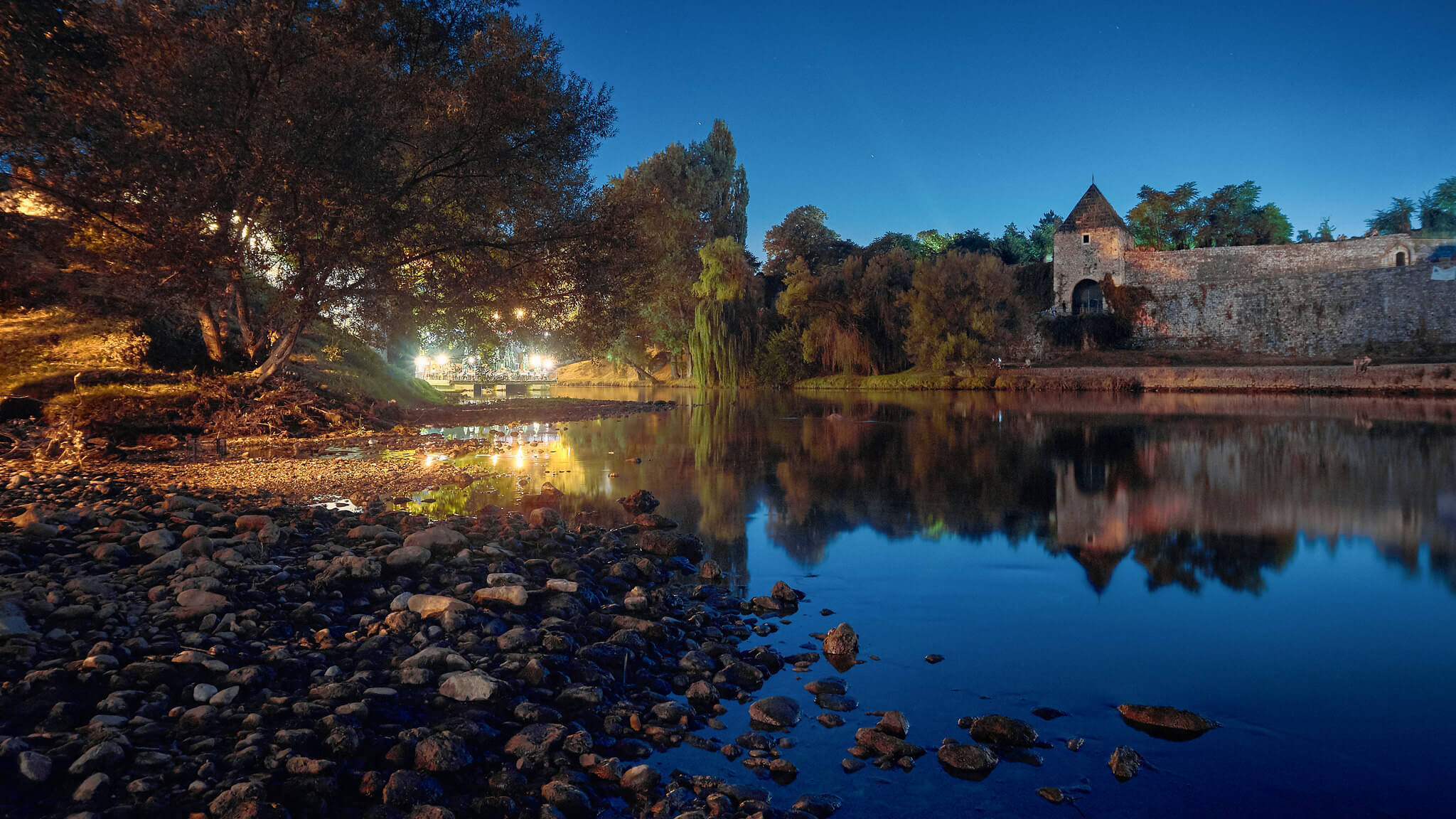
Kastel Fortress anchors the city center on the bank of the Vrbas. This medieval stone fortress is free to wander, with open courtyards, river views, and frequent concerts and markets in summer. Gospodska Street is the main pedestrian zone — a relaxed promenade of cafés, shops, and people-watching that costs nothing to enjoy.
The 15th-century Ferhat-Pasha Mosque (Ferhadija) is a UNESCO-significant Ottoman monument and one of the most striking buildings in the country. Walking the Vrbas riverbanks is free, and the water is genuinely swimmable in summer. If you have a half-day, the Švrakava Waterfall and surrounding hiking trails sit just outside the city for an easy nature escape. A curated list of things to do in Banja Luka will help you sequence these stops efficiently.
Low-Cost Extras
- River rafting on the Vrbas — a paid activity, but cheap by European standards and a regional highlight
- Day hikes in the surrounding hills — free, with marked trails
- Local markets — great for cheap fruit, snacks, and souvenirs
- Riverside cafés — nurse a coffee for an hour for the price of a bus ticket back home
Eating Well for Almost Nothing
Food is where Banja Luka’s value really shines. Bosnian cuisine is hearty, meat-forward, and absurdly cheap, and even a generous appetite struggles to spend much here.
The dish to try first is ćevapi — small grilled minced-meat sausages served with flatbread (somun), onions, and kajmak. A full portion costs 6–10 BAM (€3–5) and is a meal on its own. Burek, a flaky filled pastry, makes a 3–4 BAM (under €2) breakfast or snack.
Sit-down restaurants are still gentle on the wallet. A two-course dinner with a drink at a proper restaurant typically lands at 20–30 BAM (€10–15) per person. The city has around eleven well-regarded restaurants and a lively scene of more than ten bars and clubs, so you are not short on options. For vetted spots across price ranges, browse the Banja Luka restaurant recommendations before you go.
| Item | Typical price (BAM) | Approx. (€) |
|---|---|---|
| Espresso / coffee | 2 | 1.00 |
| Burek (slice) | 3–4 | 1.50–2.00 |
| Ćevapi portion | 6–10 | 3–5 |
| Restaurant main | 12–20 | 6–10 |
| Local beer (0.5L) | 3–5 | 1.50–2.50 |
Where to Stay on a Budget
Accommodation is the single biggest line in any travel budget, and it is where smart choices pay off most. In Banja Luka, apartments and guesthouses usually beat hotels on both price and space — you get a kitchen (useful for cheap breakfasts) and often a central location for less than a hotel room.
Expect to pay €25–45 per night for a clean, well-located private apartment, and even less for a room in a guesthouse or hostel. Booking a few weeks ahead and staying near the center keeps both cost and transport time down. To compare options and book directly, this guide to where to stay in Banja Luka lists apartments with online booking and multi-currency support, so you can pay in your home currency.
Staying central matters more than star ratings here. The city is compact, so a base near Gospodska Street or the fortress puts almost everything within a 15-minute walk — eliminating taxi and bus costs you would otherwise rack up.
A kitchen is an underrated money-saver. Even if you eat dinner out every night, buying bread, fruit, yogurt, and coffee from a local market for breakfast can shave several euros off each day. Over a four- or five-night stay, that adds up to a free meal or two without any real sacrifice.
A Realistic Daily Budget Breakdown
Here is what a comfortable but frugal day looks like for a solo traveler. These are realistic mid-range numbers, not bare-bones survival figures.
| Category | Daily cost (€) |
|---|---|
| Accommodation (private apartment) | 30 |
| Breakfast (burek + coffee) | 3 |
| Lunch (ćevapi) | 5 |
| Dinner (restaurant + drink) | 13 |
| Coffee / drinks out | 4 |
| Local transport / walking | 0–3 |
| Attractions (mostly free) | 0–5 |
| Total | ~€55–63 |
Travel as a couple and the per-person cost drops sharply, since accommodation splits in half. Two people sharing a €35 apartment can each have a full day — food, drinks, and sightseeing — for around €40 a head.
Compare that to €120–180 per day in most Western European cities, and the appeal is obvious. The math is the same discipline you would apply at home; if you want a framework for it, see our breakdown of budgeting methods compared and apply the same per-category caps to your trip.
Money-Saving Tips for Your Trip
A few habits stretch your money even further in Banja Luka and the wider Balkans.
- Carry some cash. Many small cafés, bakeries, and markets prefer convertible marks, and card surcharges are occasionally added at smaller venues.
- Eat where locals eat. Bakeries and ćevapi grills off the main pedestrian zone are cheaper than anything aimed at tourists.
- Drink coffee, not cocktails. Café culture is the social default and costs a euro; imported spirits are where prices climb.
- Walk everywhere. The compact center makes taxis almost unnecessary.
- Travel shoulder season. Rates and crowds both fall outside July and August.
One pre-trip move matters more than any on-the-ground tactic: fund the trip from savings, not credit. Building a small dedicated travel fund before you go means you return home without debt eating into the savings you just made. Our guide on how to size an emergency fund doubles as a blueprint for a sinking fund you draw down for travel — same principle, different goal.
Best Time to Visit and Getting Around
Late spring (May–June) and early autumn (September) are the sweet spot. The weather is mild, the Vrbas is inviting, prices sit below summer peak, and the city is comfortable to explore on foot. Summer is warm and lively with festivals and river activities, but it is the busiest and priciest window. Winter is quietest and cheapest, though some outdoor attractions slow down.
Getting around is refreshingly simple. The center is walkable end to end, so most travelers never use public transport at all. For arrivals, airport transfers and parking are easy to arrange in advance, and you can sort logistics in one place when you plan your Banja Luka trip. Avoiding spontaneous taxis is one of the easiest ways to keep your daily spend predictable.
If you are early in your money journey and trying to travel without derailing long-term goals, it is worth reading our guide to common financial mistakes in your 20s and 30s — taking affordable trips you can actually pay for is one of the smarter moves you can make.
Frequently Asked Questions
How much does a trip to Banja Luka cost per day?
A comfortable mid-range day — private apartment, three meals out, coffee, and sightseeing — costs roughly €55–63 for a solo traveler. Couples sharing accommodation can each get by on around €40 per day. Budget backpackers staying in hostels and eating bakery food can go well under €30.
Is Banja Luka cheaper than other Balkan cities?
Yes, in most cases. Banja Luka sees fewer tourists than Belgrade, Sarajevo’s old town, or coastal Croatia, so prices stay closer to local levels. You will generally pay less for food, drinks, and accommodation than in better-known regional capitals.
What currency is used in Banja Luka and should I bring euros?
Bosnia and Herzegovina uses the convertible mark (BAM), pegged at about 1.96 to the euro. Bring some cash for small vendors, as not everywhere takes cards. Many apartment booking platforms support multi-currency payment, so you can prepay accommodation in euros and only need local cash on the ground.
Is Banja Luka safe for budget travelers?
Banja Luka is widely regarded as a safe, relaxed city with low crime and a friendly atmosphere. Standard travel precautions — watching your belongings in crowds and keeping cash secure — are sufficient. Solo travelers, including women, generally report feeling comfortable exploring on foot.
When is the cheapest time to visit Banja Luka?
Winter (November through March) is the cheapest for accommodation and the quietest for crowds, though some outdoor activities scale back. For the best balance of low prices and good weather, target May–June or September, when rates dip below the summer peak but the city is still fully open.